Why Cutting Cuticles Is Risky Cuticles are living tissue that seal the space between the nail plate and the skin. This seal prevents bacteria, fungi, and debris from entering the nail matrix, where new nail cells form. Cutting cuticles breaks this seal, creating an entry point for infection. Paronychia, a painful bacterial or fungal infection around the nail, frequently results from cuticle cutting. Signs include redness, swelling, and pus. Once the seal is broken, repeated cutting prevents healing, leading to chronic infections. Professional manicures that cut cuticles increase infection risk despite sterile tools because the act of cutting always breaks the seal. Pushing cuticles back gently after softening is safer than cutting. Using a cuticle remover liquid containing potassium hydroxide softens the cuticle without cutting. A wooden orange stick wrapped in cotton pushes back only the non-living cuticle that extends onto the nail plate. No cuticle should ever bleed or hurt during care. Bleeding means living tissue was cut. Signs of cuticle infection include pain, warmth, redness that spreads, or green discoloration. Treating early with warm soaks and antibiotic ointment prevents progression to more serious infection requiring medical drainage.
Oils and Creams That Actually Hydrate Cuticles lack oil glands, so they rely entirely on external moisturizers to stay flexible. Flexible cuticles do not crack, hangnail, or overgrow onto the nail plate. The best cuticle moisturizers contain a combination of emollients and occlusives. Jojoba oil closely mimics natural sebum and penetrates quickly. Vitamin E oil provides antioxidant benefits. Lanolin-based creams create a thick protective layer but may trigger allergies in sensitive individuals. Petroleum jelly (Vaseline) offers the most occlusion but feels greasy. Applying cuticle oil or cream at least twice daily, especially after hand washing, maintains flexibility. Massaging the product into the cuticle for 30 seconds stimulates blood flow to the nail matrix. Overnight treatment with a thick cuticle balm under cotton gloves produces visible improvement in one week. No cuticle product reverses existing damage or infection. Hydrated cuticles appear translucent and lie flat against the nail plate. Dry cuticles look white, cracked, and may pull away from the nail. Signs of effective hydration include fewer hangnails and cuticles that push back easily without tearing.
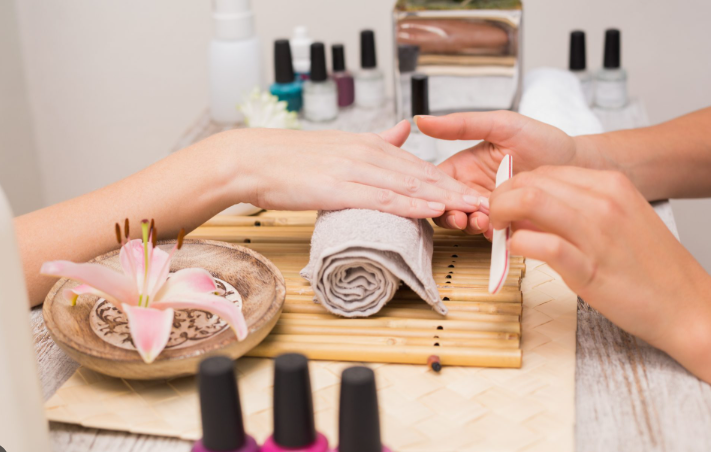
Tools and Techniques for Home Care Proper cuticle care requires the right tools and techniques to avoid damage. Cuticle pushers come in metal, wood, and silicone. Metal pushers are most effective but risk scratching the nail plate if used aggressively. Wooden orange sticks are gentlest but need replacing after each use because they cannot be sanitized. Silicone pushers are safe but less effective for stubborn cuticles. Before pushing, soaking hands in warm water for five minutes or applying cuticle remover liquid for one minute softens tissue. Pushing with light pressure in small circular motions, not scraping or digging, lifts only dead cuticle. Never push so hard that the nail plate becomes visible through the skin. Cuticle nippers should only remove hangnails, not live cuticle. Hangnails are small strips of dead skin sticking up from the side of the nail. Cutting hangnails flush with the skin prevents further tearing. Never bite or pull hangnails, which creates larger tears and bleeding. Sterilizing metal tools with 70% isopropyl alcohol before and after each use prevents bacterial spread. No tool replaces consistent moisturizing. Well-moisturized cuticles rarely need pushing or trimming.