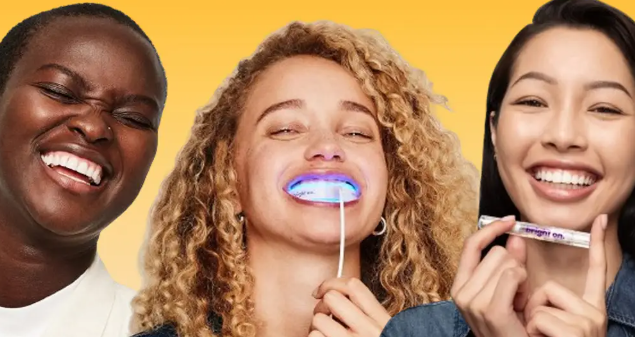
Hydrogen Peroxide Concentration Matters Both whitening strips and LED kits rely on hydrogen peroxide or carbamide peroxide as the active bleaching agent. Carbamide peroxide breaks down into hydrogen peroxide and urea. The concentration determines whitening power. Over-the-counter strips typically contain 6% to 14% hydrogen peroxide or 10% to 22% carbamide peroxide. LED kits often contain similar or lower concentrations because the LED light claims to activate the gel. Studies show that LED lights do not significantly increase whitening compared to the gel alone. The light may provide a minor temperature effect that speeds reaction slightly, but the concentration matters far more. Using a 14% hydrogen peroxide strip for 30 minutes produces more whitening than a 6% gel with LED for 60 minutes. Higher concentration also increases tooth sensitivity and gum irritation risk. Starting with the lowest effective concentration, 6% to 10% hydrogen peroxide, minimizes side effects. No whitening product changes the natural color of teeth beyond a certain point. Teeth have a genetic baseline shade that cannot be whitened further. Enamel thinning with age or acid erosion makes teeth appear darker because yellow dentin shows through, and whitening cannot reverse this.
Application Time and Sensitivity Risk Whitening strips contact teeth for 30 to 60 minutes per session, typically once daily for 7 to 14 days. The extended contact time allows peroxide to penetrate enamel and bleach dentin. LED kits often involve 10 to 20 minutes of gel application plus 10 to 20 minutes of LED light, repeated for 7 to 10 days. Shorter daily sessions may reduce whitening effectiveness because peroxide needs time to work. Sensitivity occurs when peroxide penetrates to the tooth nerve. Higher concentration and longer contact time increase sensitivity risk. Up to 60% of whitening strip users experience some temporary sensitivity, usually lasting one to three days after completing treatment. LED kit users report slightly lower sensitivity rates, possibly due to lower concentrations or shorter contact time. Sensitivity presents as sharp zings when consuming cold, hot, or sweet foods. Using sensitivity toothpaste containing potassium nitrate for two weeks before whitening reduces this risk. Taking breaks of one to two days between whitening sessions also helps. No whitening product is safe for people with existing untreated cavities, gum disease, or exposed roots. Whitening over these areas causes severe pain and permanent damage.
Results Timeline and Maintenance Visible whitening results appear after three to five days of consistent use for both strips and LED kits. Final results show after completing the full 7 to 14 day course. Strips typically produce 2 to 4 shades of improvement on a dental shade guide. LED kits produce 1 to 3 shades. Results are not permanent. Teeth gradually restain over three to six months from coffee, tea, red wine, berries, and smoking. Maintenance requires touch-up treatments every three to six months or using whitening products one to two days per month. Avoiding stain-causing foods and drinks for 48 hours after whitening allows the enamel pores to close, locking in results. Drinking through a straw reduces contact between staining liquids and front teeth. Brushing immediately after consuming staining foods helps but waiting 30 minutes prevents acid softening of enamel. No whitening product removes intrinsic stains from tetracycline antibiotics or fluorosis. These conditions require professional treatments like internal bleaching or veneers. Signs that whitening has reached maximum effect include no further shade change after three additional days of treatment and teeth appearing gray rather than yellow. Gray tones indicate that no more whitening is possible with peroxide products.