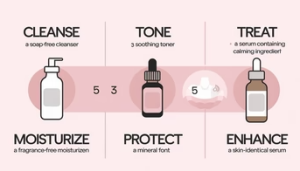
Why Mattifying Products Backfire Mattifying products often contain alcohol, clay, or silicones that absorb oil quickly. The immediate result looks shine-free, but the skin interprets sudden oil removal as a sign of dryness. In response, sebaceous glands produce even more sebum to compensate. This rebound oiliness often appears within two to three hours after using a mattifying product. Over time, the cycle of stripping and overproduction worsens the original problem. Studies show that gentle, hydrating routines actually reduce oiliness over four to six weeks because the skin learns that it does not need to overcompensate. Choosing a lightweight, non-comedogenic moisturizer with niacinamide or zinc PCA helps regulate sebum without triggering rebound. Blotting papers offer a safer midday solution because they absorb surface oil without stripping the barrier. No mattifying product permanently changes oil production because hormones and genetics primarily control sebum output. Signs that a mattifying product is causing rebound include feeling tight immediately after use, then looking greasier than before within two hours. Switching to a gentle, alcohol-free routine for two weeks often reduces oiliness more effectively than continuing with harsh mattifiers.
Gel Moisturizers That Hydrate Without Grease Traditional cream moisturizers contain oils and emollients that feel heavy on oily skin. Gel and water-cream formulations use water as the primary base, combined with humectants like hyaluronic acid and glycerin. These ingredients attract water to the skin without adding oil. Gel moisturizers absorb within seconds and leave no residue, making them ideal under makeup or sunscreen. The key is looking for oil-free, non-comedogenic labels and avoiding ingredients like coconut oil, shea butter, or lanolin. Dimethicone and other silicones in gel formulas provide a smooth feel without clogging pores. Applying gel moisturizer to damp skin within 60 seconds of cleansing locks in hydration while using less product. A pea-sized amount covers the entire face. Using too much gel moisturizer causes pilling, especially under sunscreen. No gel moisturizer stops oil production, but well-hydrated skin produces less oil than dehydrated skin. For extremely oily skin, using a gel moisturizer only at night and skipping it in the morning under sunscreen works well. Signs that a gel moisturizer suits oily skin include no new breakouts after one week of use and skin that feels comfortable without shine within an hour of application.
Niacinamide Benefits for Sebum Control Niacinamide, also known as vitamin B3, regulates sebum production through several mechanisms. It reduces the transfer of fatty acids from sebaceous glands to the skin surface without causing rebound oiliness. Clinical studies show that 2% to 5% niacinamide applied twice daily reduces sebum excretion by 20% to 30% over four weeks. Higher concentrations up to 10% offer additional oil control but increase the risk of flushing or stinging in sensitive individuals. Niacinamide also strengthens the skin barrier, reduces redness, and improves pore appearance. Unlike drying agents, niacinamide works gradually without irritation. Visible results typically appear after two to four weeks of consistent use. Niacinamide pairs well with almost all other ingredients, including retinoids, vitamin C, and salicylic acid. It can be used both morning and night. No niacinamide serum completely eliminates oiliness because some sebum is necessary for healthy skin function. The goal is balanced, not zero, oil production. Signs that niacinamide is working include less shine throughout the day, smaller-looking pores, and fewer breakouts. Stopping niacinamide for two weeks reverses the benefits, as sebum production returns to baseline levels.