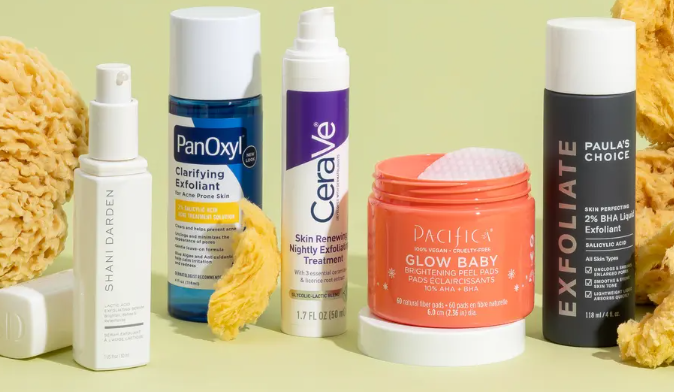
AHA vs BHA Which to Choose First Alpha-hydroxy acids (AHAs) are water-soluble and work on the skin’s surface. Glycolic, lactic, and mandelic acids are AHAs. They dissolve the bonds holding dead skin cells together, revealing smoother skin. AHAs improve texture, brightness, and fine lines. Beta-hydroxy acid (BHA) is salicylic acid, which is oil-soluble. BHA penetrates deep into pores to dissolve sebum and dead cells, making it ideal for blackheads, whiteheads, and oily skin. Beginners should choose based on skin concern rather than trying both at once. Dry or sun-damaged skin responds better to AHAs. Oily or acne-prone skin benefits more from BHA. Sensitive skin handles mandelic acid (an AHA) or low-concentration BHA better than glycolic acid. Starting with the lowest available concentration, 5% for AHAs or 0.5% for BHA, once weekly for two weeks tests tolerance. No acid should sting or burn. A mild tingling that fades within 30 seconds is normal. Using both AHA and BHA in the same routine overwhelms beginner skin. Choosing one and using it consistently for eight weeks produces better results than alternating both poorly. Signs of correct strength include smoother texture without redness or peeling.
Frequency and Application Rules More exfoliation does not mean better results. Over-exfoliating destroys the skin barrier, causing redness, stinging, breakouts, and increased sensitivity. Beginners should exfoliate once weekly for the first two weeks. If no irritation occurs, increasing to twice weekly for two more weeks works well. Maximum frequency for most skin types is three times weekly. Daily chemical exfoliation is rarely necessary and often harmful. Applying chemical exfoliants to dry skin after cleansing, waiting 10 to 20 minutes, then following with moisturizer allows the acid to work at the correct pH. Applying to damp skin increases penetration and irritation risk. Using exfoliants in the morning requires high SPF because AHAs increase sun sensitivity. Nighttime application avoids this issue. Never layer two different exfoliants in the same routine. No exfoliant should be used on skin that is already red, peeling, or broken out from other products. Signs of over-exfoliation include shiny, tight skin that feels like plastic, stinging from basic moisturizers, and breakouts in places that never usually break out. Stopping all exfoliation for two to four weeks allows the barrier to heal.
Patch Testing and pH Awareness Not all chemical exfoliant products work the same way. The pH level determines effectiveness and irritation potential. AHAs need a pH between 3 and 4 to exfoliate properly. BHA works best at pH 3 or lower. Products with higher pH (5 or above) do not exfoliate effectively because the acid is neutralized. Reading labels for free acid value or looking for products from reputable brands ensures effectiveness. Patch testing a new exfoliant on a small area behind the ear or on the inner jawline for five consecutive days identifies tolerance before full-face use. Applying the product to the patch area and waiting 24 hours after each application reveals delayed reactions. Redness, bumps, or itching during the patch test means the product is too strong or the skin is sensitive to that acid. Starting with a lower concentration of the same acid or a different acid altogether solves the issue. No product should be used past its expiration date because pH changes over time, making the acid either ineffective or dangerously strong. Signs of correct pH include mild tingling that fades quickly and visible texture improvement after four weeks.