Ingredients That Repair vs Ingredients That Burn Hand creams contain different ingredients for different purposes. Repairing ingredients include urea, ceramides, petrolatum, dimethicone, and lanolin (if not allergic). Urea at 5% to 10% both exfoliates dead skin and hydrates deeply. Ceramides fill the gaps between skin cells, restoring barrier function. Petrolatum and dimethicone create occlusive seals that prevent moisture loss. Burning ingredients include alcohol denatured, fragrance, essential oils, and preservatives like methylisothiazolinone. These cause stinging on already cracked hands and delay healing. Hand creams labeled for sensitive skin or for eczema are more likely to contain repairing rather than burning ingredients. Reading the ingredient list matters more than marketing claims. A hand cream that smells like lavender may feel luxurious but the essential oil irritates cracked skin. No hand cream heals deep cracks overnight. Cracks that split open and bleed take three to seven days of consistent application to close. Signs of a repairing hand cream include application that does not sting, skin that feels softer after two days, and cracks that begin to close from the bottom up rather than remaining open.
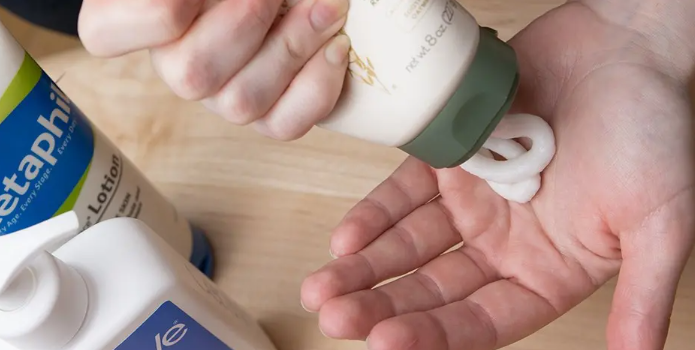
Application Timing and Technique Applying hand cream at the wrong time wastes product and slows healing. The most effective time is within three minutes of hand washing, while the skin is still slightly damp. Damp skin absorbs ingredients better than dry skin because water acts as a penetration enhancer. Applying hand cream to completely dry hands leaves the product sitting on the surface, where it transfers to everything touched. The amount matters too. A pea-sized amount for the entire hand is sufficient. Using more than that creates greasiness that discourages reapplication. Paying extra attention to the knuckles, fingertips, and the web between fingers, where cracks most often occur, improves results. Rubbing hand cream in until fully absorbed, about 30 to 60 seconds, prevents transfer to phones and keyboards. Overnight treatment accelerates healing. Applying a thick layer of hand cream before bed, then covering with cotton gloves for six to eight hours, traps ingredients against the skin. No hand cream works if hands are constantly re-washed without reapplication. Reapplying after every wash, even if that means 10 to 15 times per day, is necessary for severe dryness. Signs of correct application include hands that feel protected but not slippery immediately after applying, and cracks that stop bleeding within three days.
Preventing Cracks in Winter Winter air holds less moisture, and indoor heating dries the air further. This combination pulls water from the skin faster than any hand cream can replace it without lifestyle changes. Using a humidifier in the main living area and bedroom raises indoor humidity from 20% to 50%, reducing the gradient that pulls water from skin. Wearing gloves outdoors protects hands from cold wind, which accelerates moisture loss even faster than dry air alone. Inside the home, wearing cotton gloves while doing housework or typing keeps hand cream in place without transferring to surfaces. Switching to a gentle, fragrance-free, moisturizing hand soap instead of harsh antibacterial soaps prevents stripping. Antibacterial soaps are no more effective than regular soap for everyday use and contain harsher detergents. Drying hands thoroughly, especially between fingers, prevents moisture from sitting on skin, which can worsen cracking by macerating the skin. Patting rather than rubbing with a towel leaves some water on the skin, which is beneficial before applying hand cream. No prevention method works if hands are already cracked. Healing must happen first, then prevention maintains the healed state. Signs of successful prevention include hands that feel comfortable after washing without immediately needing cream, and no new cracks forming despite continued hand washing.