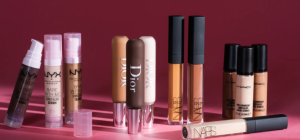
Foundation Formulas That Stay Put All Day Long-lasting foundation depends more on formulation and skin preparation than price tag. Drugstore options containing dimethicone or cyclopentasiloxane often create a smooth, water-resistant layer that rivals luxury brands. High-end foundations may offer finer pigments or added skincare ingredients, but these do not guarantee extended wear. Oily skin types benefit from matte, oil-free formulas regardless of cost. Dry skin requires hydrating bases with glycerin or squalane. Application method also affects longevity. Using a damp sponge sheers out coverage, while a dense brush builds opacity. Setting with translucent powder locks foundation in place, especially in the T-zone. No foundation lasts 24 hours without touch-ups, despite marketing claims. After 8 to 10 hours, natural oils and facial movements break down any formula. The best approach is to test wear time at home before committing to a full day out. Drugstore brands like L’Oréal and Maybelline have been shown in blind tests to perform equally to Estée Lauder or Lancôme on normal skin. For severe oiliness or humidity, a mattifying primer underneath any foundation improves results more than switching to a higher-priced product.
Title B: Why Expensive Lipstick Is Not Always Better Lipstick longevity and comfort depend on wax-to-oil ratios, not brand prestige. High-end lipsticks often contain more emollients, which feel luxurious but transfer easily and fade faster. Drugstore matte lipsticks frequently use isododecane and silica, creating a thin film that adheres to lips for hours. Neither type prevents feathering without a lip liner. The claim that luxury lipsticks hydrate better is misleading. Most long-wear formulas, expensive or not, sacrifice moisture for staying power. Dry, cracked lips worsen with any matte product unless properly exfoliated and balmed beforehand. Color payoff is another factor. Higher-priced brands may offer unique shades, but drugstore lines now replicate almost every popular color. A $10 lipstick can deliver full opacity in one swipe. The main advantage of premium lipsticks is often packaging and scent, not performance. For everyday wear, a drugstore liquid lipstick applied in thin layers and allowed to dry between coats easily outlasts a $40 bullet lipstick. No lip product survives greasy meals completely. Reapplication is normal and expected, regardless of price.
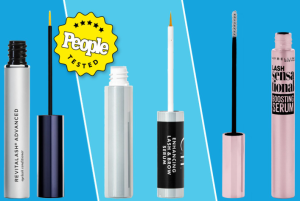
Title C: Mascara Tests That Prove Price Does Not Matter Mascara is the category where drugstore consistently outperforms high-end in independent consumer tests. The reason is simple: mascara formulas rely on waxes and fibers that are inexpensive to produce. Ingredients like beeswax, carnauba wax, and nylon fibers create volume and length without expensive additives. High-end mascaras may include lash-conditioning serums, but these do not affect immediate wear or smudge resistance. Waterproof mascaras from drugstore brands often outperform luxury versions in oil-resistance tests. Wand design matters more than formula. A plastic comb wand separates lashes, while a bristle brush adds volume. Neither guarantees zero flaking. The average mascara, regardless of price, begins to dry out after three months of regular use. Replacing mascara every eight weeks improves performance more than upgrading to a luxury tube. Smudging under the eyes is typically caused by oily eyelids, not mascara quality. Using a lash primer or setting with translucent powder reduces transfer for any brand. No mascara creates false-lash effects without multiple coats, and even then, results vary by natural lash density.