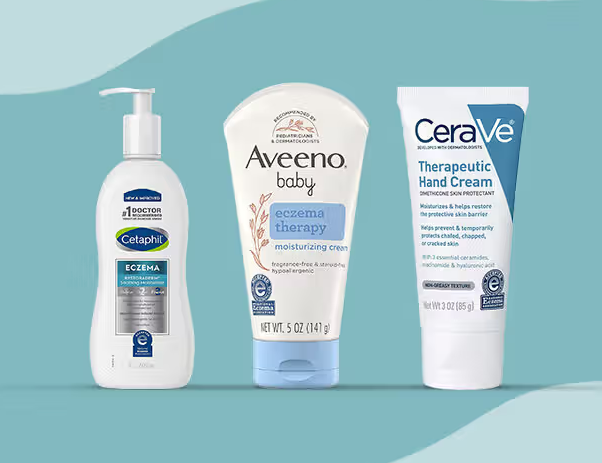
Ceramides Role in Barrier Repair Eczema skin has a defective skin barrier with fewer natural ceramides, the lipids that hold skin cells together like mortar between bricks. Without enough ceramides, moisture escapes and irritants enter, triggering inflammation and itching. Topical ceramide-containing lotions temporarily supplement these missing lipids. Clinical studies show that using a ceramide-dominant lotion twice daily for three weeks reduces transepidermal water loss by 60% and improves eczema severity scores by 50% compared to standard moisturizer. Ceramides work best when combined with cholesterol and free fatty acids in a 3:1:1 ratio, the natural composition of healthy skin barrier. Products listing ceramide NP, ceramide AP, or ceramide EOP provide the most research support. Ceramide lotions do not cure eczema because the genetic tendency remains, but consistent use reduces flare frequency and severity. Applying within three minutes of bathing locks in water from the bath. Thicker creams or ointments deliver more ceramides than lotions because they contain less water. No ceramide product works overnight. Visible improvement takes two to four weeks of twice-daily use. Signs of improvement include less frequent itching, fewer red patches, and skin that feels smoother.
Why Fragrance Free Is Non Negotiable Fragrance is the most common trigger for eczema flares. Even natural essential oils like lavender, tea tree, and chamomile cause contact dermatitis in sensitive skin. The term unscented often means a masking fragrance was added to cover the smell of other ingredients. True fragrance-free means no fragrance ingredients were added at any point. Checking ingredient lists for parfum, perfume, essential oils, or specific plant extracts identifies hidden fragrances. Fragrance-free lotions still have a natural smell from base ingredients like oatmeal or shea butter, which is normal. Using a fragranced lotion on eczema-prone skin triggers a delayed reaction appearing 6 to 48 hours after application. This delay makes it difficult to identify the cause. Patch testing a new fragrance-free lotion on a small area of inner elbow for five days before full body use prevents widespread reactions. No amount of eczema treatment works if fragranced products continue to be used. Eliminating fragrance from all body products, including laundry detergent, soap, and shampoo, creates a safer environment. Signs that fragrance is the trigger include eczema that improves when staying at hotels or other people’s homes where different products are used.
Wet Wrap Therapy for Severe Flares Wet wrap therapy involves applying a thick layer of moisturizer or prescription cream, then covering the area with a damp layer of clothing or gauze, followed by a dry outer layer. The wet layer increases absorption and cools inflamed skin, while the dry layer prevents evaporation. Leaving wet wraps on for two to six hours or overnight significantly reduces itching and redness within one to two sessions. This technique is recommended for moderate to severe eczema that does not respond to standard moisturizing. Materials needed: clean cotton pajamas or tubular gauze, warm water, and a ceramide-rich moisturizer or prescribed topical steroid. Soaking the inner layer in warm water, wringing until damp but not dripping, then applying over the moisturizer creates the wrap. The outer layer should be dry and loose-fitting. Wet wraps are not for infected eczema, which shows yellow crusting, oozing, or spreading redness. No wet wrap should be used for more than seven consecutive days without a doctor’s supervision. After the flare subsides, stopping wet wraps and returning to standard moisturizing twice daily maintains results. Overuse of wet wraps without medical guidance can lead to skin thinning or infection.