Ingredients to Avoid for Reactive Skin Sensitive skin reacts to common ingredients that most people tolerate well. Alcohol denatured (SD alcohol) strips the barrier and causes immediate stinging. Fragrance, both synthetic and natural essential oils, triggers contact dermatitis in up to 30% of sensitive individuals. Lavender, peppermint, and citrus oils are particularly irritating despite being labeled natural. Sodium lauryl sulfate (SLS) creates foam but damages the skin barrier. Preservatives like methylisothiazolinone and formaldehyde-releasers cause allergic reactions in sensitive populations. AHAs and BHAs at high concentrations or low pH levels burn reactive skin. Even vitamin C in L-ascorbic acid form causes tingling that sensitive skin interprets as irritation. Checking ingredient lists before purchasing prevents reactions. Products labeled for sensitive skin still contain irritants, so reading every label matters. Avoiding these ingredients does not guarantee zero reactions because sensitivity varies by individual. Patch testing a new product on the inner elbow for five days reveals tolerance before facial application. No product is universally safe for all sensitive skin, but fragrance-free, alcohol-free, and SLS-free formulations cause fewer reactions overall.
Centella Asiatica and Oat Benefits Centella asiatica, also known as cica or tiger grass, contains madecassoside and asiaticoside, compounds that accelerate wound healing and reduce inflammation. Clinical studies show that centella extracts improve skin barrier repair by increasing collagen synthesis and calming cytokine activity. Oat (colloidal oatmeal) has FDA status as a skin protectant. Beta-glucans in oat bind to skin and create a film that locks in moisture while blocking irritants. Both ingredients reduce redness and stinging within 15 to 30 minutes of application. Neither ingredient cures chronic skin conditions like rosacea or eczema, but regular use reduces flare frequency and severity. Centella works best in serums or creams applied after cleansing. Oat works well as a cleanser or mask. Combining both in a routine, centella serum followed by oat moisturizer, provides barrier support and immediate soothing. Results are not permanent. Stopping use allows inflammation to return because sensitive skin has an underlying tendency toward reactivity. No topical completely desensitizes the skin, but consistent use of centella and oat reduces the intensity of reactions to other products.
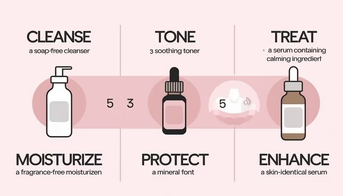
How to Layer Minimal Products for Night Repair Sensitive skin benefits from fewer products, not more. A three-step night routine cleanses, soothes, and seals without overloading. First, a gentle, non-foaming cream cleanser removes dirt without stripping. Second, a single calming serum containing centella, oat, or niacinamide addresses redness. Third, a fragrance-free moisturizer with ceramides or squalane locks in everything. No toner, no exfoliant, no mask, no eye cream. Waiting two minutes between each layer allows absorption without pilling. Applying products to damp skin reduces friction and improves spreadability. Using too much of any product overwhelms sensitive skin. A pea-sized amount of cleanser, two drops of serum, and a blueberry-sized amount of moisturizer suffice for the entire face. Introducing only one new product every two weeks identifies which ingredient causes trouble if a reaction occurs. Keeping a diary of products used and skin reactions helps pinpoint triggers. No routine works overnight. Sensitive skin takes four to six weeks to show improvement after eliminating irritants. Expecting immediate results leads to switching products too quickly, which further irritates reactive skin.