How Often Dry Shampoo Is Safe Using dry shampoo daily creates a layer of starch, clay, or alcohol on the scalp that mixes with sebum, sweat, and dead skin cells. This mixture hardens into a paste that blocks hair follicles. Blocked follicles lead to inflammation, itching, and in severe cases, traction alopecia or bacterial folliculitis. Dermatologists recommend using dry shampoo no more than two days in a row, followed by a traditional wash. Waiting 48 hours between dry shampoo applications gives the scalp time to breathe and shed dead cells naturally. Those with fine or thinning hair should limit use to once weekly because buildup shows faster and clogs follicles more easily. People with very oily scalps may need to wash with water daily rather than relying on dry shampoo. No dry shampoo cleans the scalp. It only absorbs visible oil. The scalp still accumulates dirt, pollution, and product residue. Skipping real washes for more than four days in a row while using dry shampoo increases the risk of yeast overgrowth and seborrheic dermatitis. Signs of overuse include persistent itching, visible white buildup, and small bumps along the hairline.
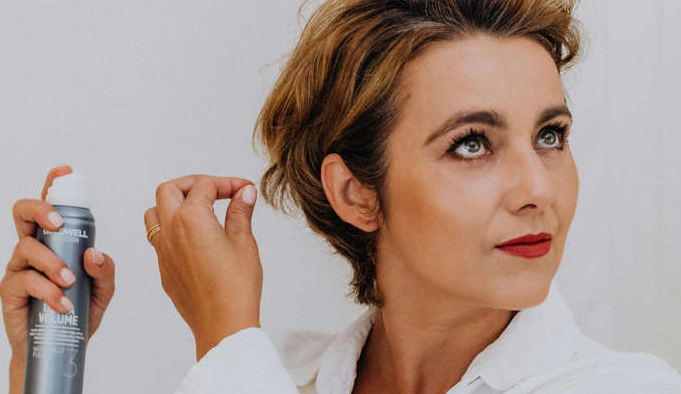
Proper Application to Avoid White Residue White residue from dry shampoo happens when the product is applied too close to the scalp or not brushed out properly. Holding the can 8 to 10 inches away from the head distributes particles evenly instead of dumping them in one spot. Sectioning the hair into four parts before spraying ensures coverage without overloading any area. After spraying, waiting 30 to 60 seconds allows the starch or clay to absorb oil. Then massaging the scalp with fingertips, not nails, breaks up visible powder. Brushing from roots to ends with a boar bristle brush removes excess residue while distributing natural oils. Dark hair benefits from tinted dry shampoos or cocoa powder-based formulas that blend invisibly. Applying dry shampoo at night before bed gives it hours to absorb oil while sleeping, reducing the chance of white cast in the morning. Using too much product in one spot creates a cement-like paste that requires washing to remove. No amount of brushing removes over-applied dry shampoo. Starting with a small amount and adding more only if needed produces the cleanest look.
What to Do When Scalp Itches After Use Itching after dry shampoo signals one of three problems: buildup, sensitivity, or yeast overgrowth. Buildup itches because the hardened mixture of starch and oil physically irritates nerve endings. Washing with a clarifying shampoo containing sulfates removes buildup in one or two washes. Sensitivity itching involves redness and small bumps caused by fragrance, alcohol, or propellants in the dry shampoo. Switching to a fragrance-free, alcohol-free powder dry shampoo often resolves this. Yeast overgrowth itching feels deep and persistent, sometimes with flaking similar to dandruff. This requires antifungal treatment and stopping dry shampoo completely for several weeks. Scratching the itchy scalp damages follicles and worsens hair loss. Using a wide-tooth comb to gently lift hair away from the scalp provides relief without injury. Applying a drop of tea tree oil diluted in aloe vera to itchy spots offers temporary soothing but does not treat the underlying cause. No dry shampoo relieves itching once it starts. The only solution is washing the scalp thoroughly and addressing the root cause. Preventing itching means rotating dry shampoo with real washes and never sleeping in dry shampoo multiple nights in a row.