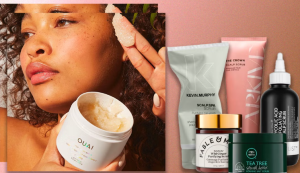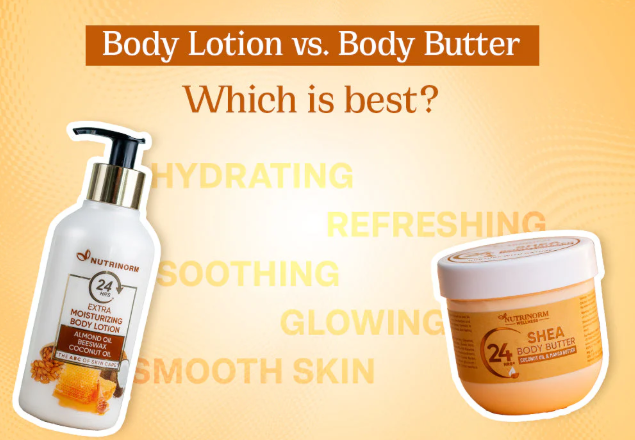
Ingredients That Determine Texture Body lotions contain higher water content, typically 70% to 80% water, with emulsifiers to blend water and oil. This high water content creates a thin, spreadable texture that absorbs quickly. Lotions work well for normal to slightly dry skin in humid climates. Body butters contain little to no water. Their primary ingredients are plant butters like shea, cocoa, or mango butter mixed with oils. This composition creates a thick, semi-solid texture that melts on contact with skin. Body butters provide intense occlusion, trapping moisture effectively but feeling heavy. The choice between lotion and butter depends on skin dryness level and environmental humidity. Extremely dry skin in winter benefits from body butter. Oily or normal skin in summer prefers lotion. Some products labeled body butter actually contain water as the first ingredient, making them thicker lotions rather than true butters. Checking the ingredient list reveals the truth. Water as the first ingredient means lotion. A butter or oil as the first ingredient means true butter. No texture permanently changes skin hydration. Both require reapplication after showering to maintain results.
Application Timing and Absorption Differences Lotions apply easily to damp skin and absorb within 30 to 60 seconds. This fast absorption makes lotions practical for daily use after showers or before dressing. Body butters require more effort to spread and take two to five minutes to fully absorb. Applying body butter to dripping wet skin creates a greasy film that never absorbs. Applying to towel-dried but still slightly damp skin gives the best results. Warming body butter between the palms for five seconds before application softens it for easier spreading. Body butter should be applied in thin layers, not thick coats. Using too much body butter leaves residue that transfers to clothing and bedding. Nighttime application of body butter allows absorption while sleeping, avoiding daytime greasiness. Lotion can be used anytime. No application technique changes the fundamental properties of either product. Oily skin may find that body butter never fully absorbs, instead sitting on top and causing breakouts on the chest or back. Signs of correct product choice include skin that feels comfortable without being either tight or greasy two hours after application.
Climate and Season Considerations Humidity dramatically affects how body moisturizers perform. In high humidity (above 60%), lotion often provides enough hydration because the air already contains significant moisture. Body butter in humid climates feels suffocating and may cause heat rash or breakouts. In low humidity (below 40%), lotion evaporates too quickly, leaving skin dry within an hour. Body butter creates a protective seal that prevents moisture loss in dry air. Seasonal changes require switching products. Summer humidity favors lotion or even skipping body moisturizer altogether. Winter dryness demands body butter or a thick cream. Traveling between climates means packing different products. Using body butter in a tropical destination leads to sticky discomfort. Using lotion in a desert climate fails to protect skin. No single product works year-round for most people. Keeping both a lotion and a body butter and choosing based on current humidity and skin feel produces the best results. Signs that a product is wrong for the climate include skin that feels greasy and never dries (too heavy) or skin that feels tight within 30 minutes of application (too light).