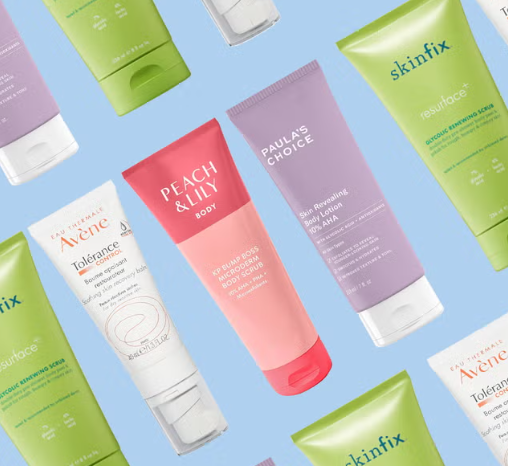
Why Physical Scrubs Make KP Worse Keratosis pilaris (KP) occurs when keratin protein builds up and blocks hair follicles, creating rough bumps. Many people scrub aggressively with sugar or salt scrubs to remove the bumps. Physical exfoliation actually inflames the follicles further, making redness and irritation worse. The friction damages the skin barrier and triggers more keratin production as a protective response. This creates a cycle of scrubbing and worsening bumps. Chemical exfoliation works better for KP because it dissolves the intercellular glue holding dead skin cells together without friction. Lactic acid, urea, and salicylic acid are effective chemical exfoliants for KP. Physical scrubs are not entirely useless, but they should be used gently only once weekly with fine particles, not coarse grains. Using a soft washcloth with mild pressure is sufficient for removing loose skin after chemical exfoliation. No scrub permanently removes KP because the condition has a genetic component. Even with perfect care, bumps often return within two weeks of stopping treatment. The goal is management, not cure. Over-scrubbing signs include increased redness, raw patches, or bumps that feel sore to the touch.
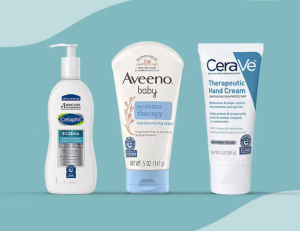
Lactic Acid and Urea Percentages That Work Lactic acid and urea are keratolytic agents that break down the keratin plugs blocking hair follicles. Over-the-counter lotions containing 5% to 12% lactic acid show improvement in KP within four to six weeks. Twelve percent is typically the maximum for daily use without irritation. Urea works similarly but also hydrates deeply. Concentrations of 10% to 20% urea effectively smooth KP bumps. Twenty percent is strong and may sting on broken skin. Both ingredients cause mild tingling upon application, which usually fades within minutes. Products combining both ingredients often produce faster results, but layering separate products increases irritation risk. Application immediately after showering, when skin is still damp, improves absorption and reduces the amount needed. A thin layer rubbed in thoroughly works better than a thick, greasy coating. Results are not instant. Bumps begin to flatten after three to four weeks, but full smoothing takes eight to twelve weeks. Stopping treatment leads to recurrence within one month because the genetic tendency remains. No lotion eliminates KP completely, but consistent use keeps skin smooth and reduces redness significantly.
Moisturizing Habits That Prevent Recurrence KP worsens in dry environments because dehydrated skin produces more keratin. Winter months and low-humidity climates trigger flares even with regular exfoliation. Daily moisturizing with a non-comedogenic, fragrance-free cream reduces bump recurrence by maintaining skin barrier health. Ingredients like ceramides, niacinamide, and shea butter (if not clogging) support barrier function. Applying moisturizer within three minutes of patting skin dry traps water in the outer layer. Waiting even five minutes allows significant moisture loss. For body skin, thicker creams or ointments outperform lotions because they contain more occlusive ingredients like petrolatum or dimethicone. Showering in lukewarm rather than hot water prevents barrier stripping. Hot water dissolves natural oils that protect against dryness. Limiting showers to 10 minutes or less also helps. Humidifiers in bedrooms during dry months reduce overnight moisture loss. No moisturizer treats KP directly, but well-hydrated skin responds better to chemical exfoliants and shows fewer bumps between treatments. Skipping moisturizer for even two days often leads to bump recurrence, especially on elbows and knees where skin is naturally drier.