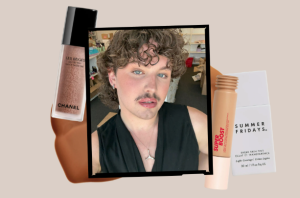
Why Hydration Is the First Step to Radiance Hydration forms the foundation of any effective skincare routine. Without adequate moisture, the skin’s barrier weakens, leading to dryness, flakiness, and a lackluster appearance. Hyaluronic acid and glycerin are two ingredients proven to attract water to the skin’s surface. When applied correctly, a hydrating serum can increase skin elasticity and reduce the visibility of fine lines. However, results vary by skin type. Oily skin may benefit from a lightweight, water-based formula, while dry skin often requires a richer blend. Studies show that consistent hydration supports the skin’s natural repair process, but no product can permanently alter skin structure. For best results, apply serum to slightly damp skin after cleansing. This method locks in additional moisture without clogging pores. Avoid over-layering multiple serums, as this can cause irritation. A single, well-formulated hydrating product used twice daily often outperforms a five-step cocktail. Remember: glowing skin starts with a healthy barrier, not harsh actives.
How to Choose Between Vitamin C and Niacinamide Vitamin C and niacinamide are two of the most researched skincare ingredients, yet they serve different purposes. Vitamin C is an antioxidant that helps protect skin from environmental damage caused by UV rays and pollution. It also inhibits melanin production, which can brighten dark spots over time. Niacinamide, a form of vitamin B3, strengthens the skin barrier, regulates oil production, and reduces redness. Neither ingredient works overnight. Visible changes typically require 8 to 12 weeks of consistent use. Some believe that vitamin C and niacinamide should never be mixed, but modern formulations allow them to coexist without reducing efficacy. The key is to avoid high-pH vitamin C derivatives. For morning routines, vitamin C offers protection against daytime stressors. For evening use, niacinamide supports repair. Skin type also matters. Oily or acne-prone skin often responds better to niacinamide, while normal to dry skin sees more benefit from vitamin C. Patch testing is always recommended before full application. No single ingredient works for everyone, and neither reverses deep wrinkles or severe hyperpigmentation permanently.
The Right Way to Layer Serums for Maximum Effect Layering serums correctly can mean the difference between radiant skin and irritation. The general rule is to apply products from thinnest to thickest consistency. After cleansing, start with a watery serum containing hyaluronic acid or peptides. This allows deeper absorption. Next, apply a treatment serum like vitamin C or retinol, depending on the time of day. Retinol should never be used during daylight hours without high-SPF protection. Finally, seal everything with a moisturizer. Waiting 60 seconds between each layer gives the skin time to absorb active ingredients without pilling. Overloading the skin with more than two serums at once often leads to redness or breakouts. Studies indicate that the skin can only absorb a limited amount of topical ingredients per application. Using three serums daily does not triple benefits. Instead, it increases the risk of barrier damage. For beginners, starting with one targeted serum for four weeks yields clearer feedback on what works. Skipping patch tests or ignoring signs of irritation can delay progress. No layering technique can replace prescription treatments for severe conditions like cystic acne or rosacea.