Tea Tree Oil Science for Flaky Scalps Tea tree oil contains terpinen-4-ol, a compound with demonstrated antifungal and antibacterial properties. Dandruff is often caused by an overgrowth of Malassezia yeast on the scalp. Tea tree oil helps reduce this yeast population without harsh chemicals. Clinical studies show that a 5% tea tree oil shampoo used daily for four weeks reduces dandruff severity by 40% compared to placebo. However, undiluted tea tree oil burns the scalp and causes contact dermatitis. Always mix with a carrier oil like jojoba or fractionated coconut oil before application. A safe ratio is 3 to 5 drops of tea tree oil per tablespoon of carrier oil. Leave the mixture on the scalp for 10 minutes before washing out. Results are not instant. Itching often improves within one week, while flaking reduction takes three to four weeks. Tea tree oil does not cure dandruff permanently because Malassezia naturally lives on most scalps. Regular maintenance once or twice weekly prevents recurrence. Those with sensitive skin should patch test on the inner arm for 24 hours before scalp application. No essential oil replaces prescription antifungals for severe seborrheic dermatitis.
Coconut Oil Penetration vs Jojoba Oil Mimicry Coconut oil and jojoba oil work differently on the scalp. Coconut oil is one of the few oils that penetrates the hair shaft due to its low molecular weight and straight fatty acid chain. This penetration reduces protein loss from damaged hair but does little for scalp dandruff directly. In fact, coconut oil can worsen dandruff because its fatty acids feed Malassezia yeast. Jojoba oil, despite its name, is actually a liquid wax ester. Its chemical structure closely mimics human sebum. This mimicry tricks the scalp into regulating oil production rather than overproducing. Jojoba oil also has mild anti-inflammatory properties that soothe itching without feeding yeast. For dandruff-prone scalps, jojoba oil is the safer choice. Apply warm jojoba oil to the scalp, massage for five minutes, and leave for 30 minutes before shampooing. Coconut oil works better for dry, brittle hair lengths rather than the scalp itself. Neither oil treats fungal infections alone. For active dandruff with yellow, greasy flakes, medicated shampoos containing ketoconazole or zinc pyrithione are more effective. Oils serve as supportive treatments between medicated washes.
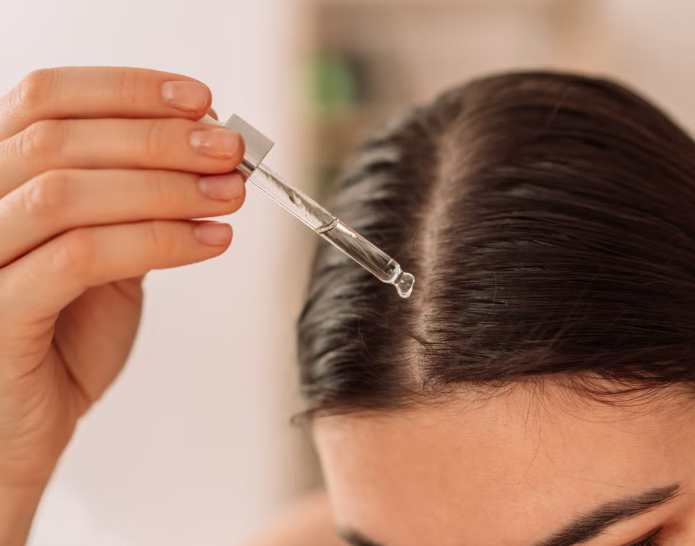
How Often to Oil Without Clogging Follicles Over-oiling the scalp leads to buildup that traps dead skin cells and sebum, actually worsening flaking and itching. The ideal frequency depends on scalp type. Dry scalps without active dandruff benefit from oiling twice weekly. Oily scalps with dandruff should oil once weekly or every 10 days. Using too much oil at once causes more harm than good. Two to three teaspoons total for the entire scalp is sufficient. Leaving oil on for longer than two hours does not increase benefits. In fact, extended contact time allows oils that feed yeast to worsen dandruff. Always wash oil out with a gentle shampoo, sometimes requiring two lathers. Skipping shampoo or using only conditioner leaves residue that irritates follicles. Signs of over-oiling include increased itching, small red bumps on the scalp, or hair looking greasy immediately after washing. Reducing frequency or switching to a lighter oil like grapeseed or argan oil resolves these issues. No oil regimen works without proper scalp cleansing. Using a clarifying shampoo once monthly removes stubborn buildup from both oils and hair products.