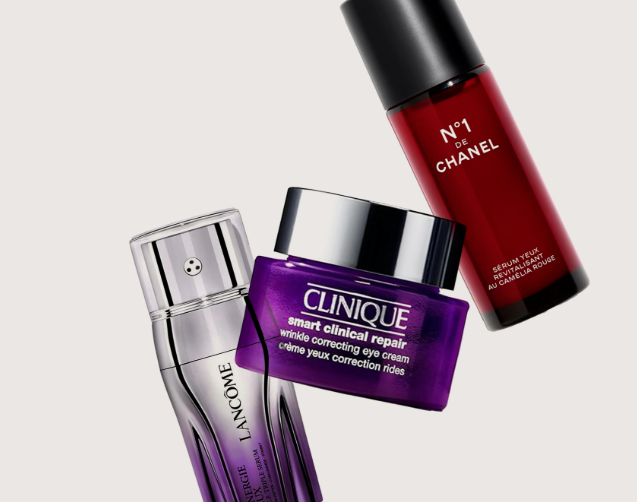
Caffeine vs Peptides for Under Eye Bags Caffeine and peptides address different under-eye concerns. Caffeine is a vasoconstrictor, meaning it temporarily reduces blood flow to the area. This effect decreases puffiness caused by fluid retention. Results appear within 30 minutes but last only four to six hours. Caffeine works best for morning routines when eyes look swollen from lack of sleep or salty meals. Peptides, on the other hand, are amino acid chains that signal the skin to produce more collagen and elastin. Peptides do not work quickly. Consistent use for eight to twelve weeks may improve skin thickness and reduce the appearance of fine lines. Neither ingredient permanently removes eye bags caused by genetics or fat herniation. For true under-eye hollows or persistent bulges, only medical procedures like filler or blepharoplasty create lasting change. Caffeine serums often feel cooling and de-puffing, while peptide creams offer hydration and long-term support. Layering both is possible if the formulas are lightweight. No eye cream reverses deep wrinkles. Managing expectations prevents disappointment. The best choice depends on primary concern: immediate puffiness reduction or gradual texture improvement.
Why Retinol Is the Most Proven Ingredient for Crow’s Feet Retinol, a derivative of vitamin A, has decades of research supporting its ability to reduce fine lines. When applied to the skin around the eyes, retinol speeds up cell turnover and stimulates collagen production. Visible changes typically require three to six months of consistent use. Crow’s feet, the lines that radiate from the outer corners of the eyes, respond better to retinol than any other over-the-counter ingredient. However, retinol causes irritation, redness, and peeling, especially in the delicate eye area. Starting with a low concentration (0.1% or less) twice weekly prevents excessive reactions. Buffering with moisturizer before retinol application reduces side effects. Retinol should never be used during the day without high SPF protection because it increases sun sensitivity. Pregnant or nursing individuals should avoid retinol entirely. No retinol product completely erases deep set lines, but regular use softens their appearance. Signs of overuse include persistent burning, flaking, or worsening of dark circles. Taking a break for one week allows the skin to recover. For those unable to tolerate retinol, bakuchiol offers a gentler plant-based alternative with similar benefits, though with less research backing.
Separating Hydration Hype From Actual Repair Many eye creams claim to both hydrate and repair, but these are different biological processes. Hydration involves attracting water molecules to the skin’s surface using humectants like hyaluronic acid or glycerin. Hydration temporarily plumps the skin, making fine lines look less noticeable for a few hours. Repair involves stimulating cellular processes that build new collagen or protect against free radical damage. Ingredients that support repair include peptides, retinol, vitamin C, and ceramides. Hydration benefits all skin types and delivers immediate visible results. Repair takes weeks or months to show changes. A cream that only hydrates cannot permanently alter skin structure. Conversely, a repair-focused cream without hydrating ingredients may cause dryness and irritation. The most effective eye products combine both approaches. For example, a cream containing hyaluronic acid for instant plumping plus peptides for long-term support. No single product eliminates the need for sun protection around the eyes, as UV damage causes 80% of visible aging. Applying SPF 30 or higher daily to the orbital bone area prevents new damage regardless of which eye cream is used.