Finding the Natural Arch Position Every face has ideal points for brow start, arch, and end based on facial proportions. Using a straight object like a makeup brush or pencil, align it vertically along the side of the nose. Where the brush crosses the brow is where the brow should start. Plucking hairs inside this line opens up the eye area. Next, angle the brush from the nose through the center of the pupil. This point marks the highest part of the arch. Plucking below this point raises the arch; plucking above lowers it. Finally, angle the brush from the nose through the outer corner of the eye. Where the brush crosses the brow is where the brow should end. Plucking beyond this line shortens the face; stopping before this line widens the face. These three points are guidelines, not strict rules. Natural asymmetry in faces means the left and right brows may have slightly different ideal points. No brow shape changes the underlying bone structure. The goal is working with existing brow hair, not creating an entirely new shape from nothing. Signs of correct positioning include eyes that look more open and a face that looks more balanced without looking surprised or angry.
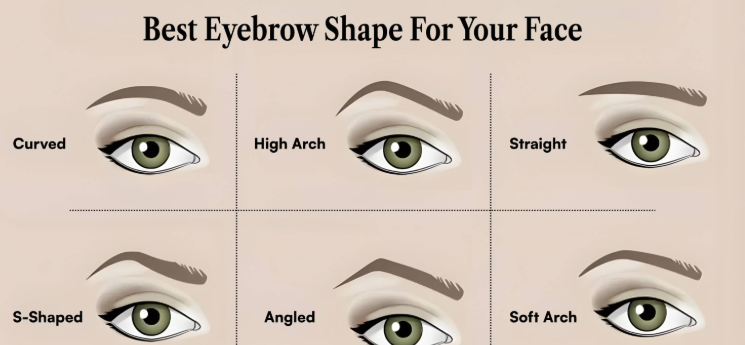
Arch Height for Different Face Lengths Face length determines how high the brow arch should be. Long faces benefit from lower, flatter arches. A high arch on a long face makes the face look even longer because the eye is drawn upward. Keeping the arch subtle, only slightly higher than the brow start, balances length. Short or round faces benefit from higher, more defined arches. A higher arch creates the illusion of length, making a round face look more oval. The arch should peak at the point found through the pupil line, then taper down gradually. Square faces with strong jawlines look best in angled arches with a defined peak. The sharp angle of the brow contrasts with the square jaw, creating balance. Heart-shaped faces with wider foreheads and narrower chins look best in soft, rounded arches that do not add width to the already wide forehead. No arch height changes the actual shape of the face. The effect is purely optical and temporary, lasting only as long as the brow grooming. Signs of correct arch height include compliments on looking more awake or rested without anyone identifying the brows as the reason.
Filling Techniques for Thin Brows Thin or sparse brows require filling to achieve the ideal shape for the face. Pencil, powder, and pomade each suit different needs. Pencil works best for drawing individual hair strokes on sparse areas. Using short, upward strokes mimics natural hair. Powder works best for filling in overall thinness, creating a soft, diffused look. Applying powder with an angled brush in light layers builds color gradually. Pomade works best for very thin brows where a defined edge is needed. Pomade requires a steady hand and looks harsh if applied too heavily. The color should be one to two shades lighter than natural hair for blondes and redheads, and one shade lighter for brunettes. Dark brows on fair skin look severe. Filling should focus on the arch and tail, not the front of the brow. The front of the brow should look soft and faded, not boxy. Using a spoolie brush to blend after every application prevents harsh lines. No filling technique makes brows look natural if the shape itself is wrong for the face. Correcting the shape through professional waxing or threading first, then filling, produces the best result. Signs of natural filling include brows that frame the face without looking drawn on or obviously filled.