Understanding how interest rates affect your personal finances can help you make smarter decisions in different interest rate environments.
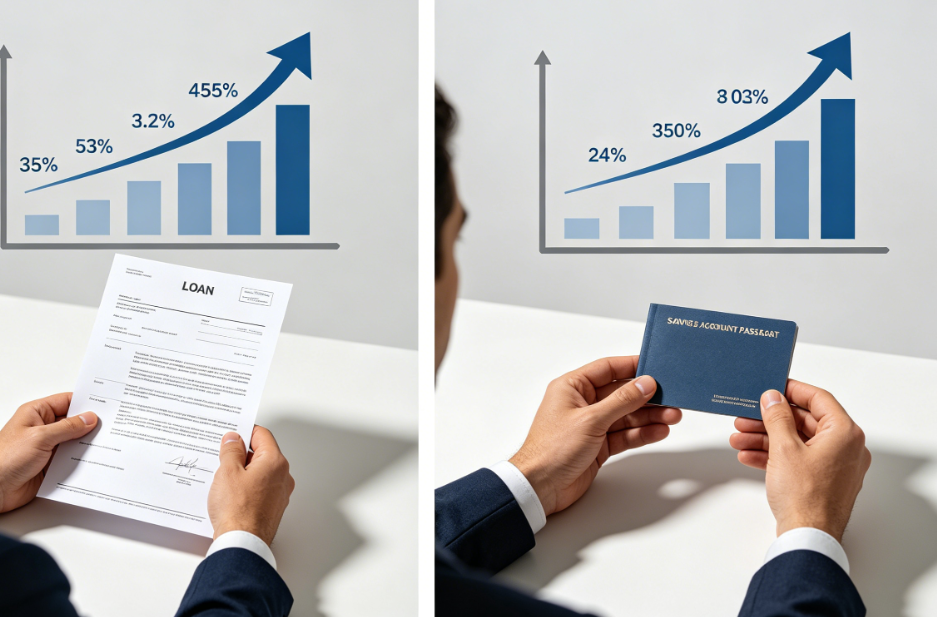
When interest rates are low, borrowing becomes cheaper. Your mortgage payment decreases. The interest cost on your car loan is lower. Credit card debt is less burdensome. This is good for borrowers. But low rates are bad for savers. Your savings account earns almost nothing. When your certificate of deposit matures, the renewal rate may be pitifully low. Your bond fund returns also drop.
When interest rates are high, the opposite happens. Borrowing becomes expensive. New mortgage applicants see their monthly payments rise significantly. Existing borrowers with variable rate loans see their payments go up. Business borrowing costs increase, potentially reducing hiring and investment. But high rates are good for savers. You can earn decent interest from your savings account. Certificates of deposit become attractive. You can earn a steady income stream from holding bonds.
For people with mortgages, the impact of interest rate changes is most direct. Most home loans have fixed interest rates. If you locked in a thirty year fixed rate when rates were low, rising rates do not affect you. You continue to pay your original low rate. But if you need to refinance, or if you are buying a new home, you will face higher rates. Borrowers with variable rate mortgages need to be especially careful. Rising rates directly increase your monthly payment.
For credit card debt, the impact of interest rates is ongoing. Credit card rates are typically variable, moving with market rates. When the central bank raises rates, your credit card rate also rises. Every dollar you owe generates more interest. This is why paying off credit card debt becomes even more important in a rising rate environment.
For savers, a high rate environment offers opportunities for low-risk returns. You can put your emergency fund in a high-yield savings account and earn decent interest. You can buy short-term Treasury bills and earn returns with almost no risk. You can build a certificate of deposit ladder, with funds maturing at different times to capture potential further rate increases.
Interest rates affect not only borrowing and saving but also investment decisions. When rates are very low, stocks look more attractive because even conservative bonds do not offer much return. When rates are high, bonds and savings accounts offer decent returns, and investors may shift away from stocks toward these safer assets.
Ordinary people do not need to predict the direction of interest rates. Predicting rates is difficult even for central bank governors. What you need to do is ensure your financial situation can handle different rate environments. This means keeping emergency savings, avoiding excessive borrowing, considering locking in long-term fixed rates when rates are low, and taking advantage of high-yield savings opportunities when rates are high.
Interest rates change. Your financial plan should be flexible enough to adapt to those changes.