Borrowing money is not inherently bad. What is bad is borrowing for the wrong purpose or on the wrong terms. Understanding the nature of borrowing can help you make better decisions.
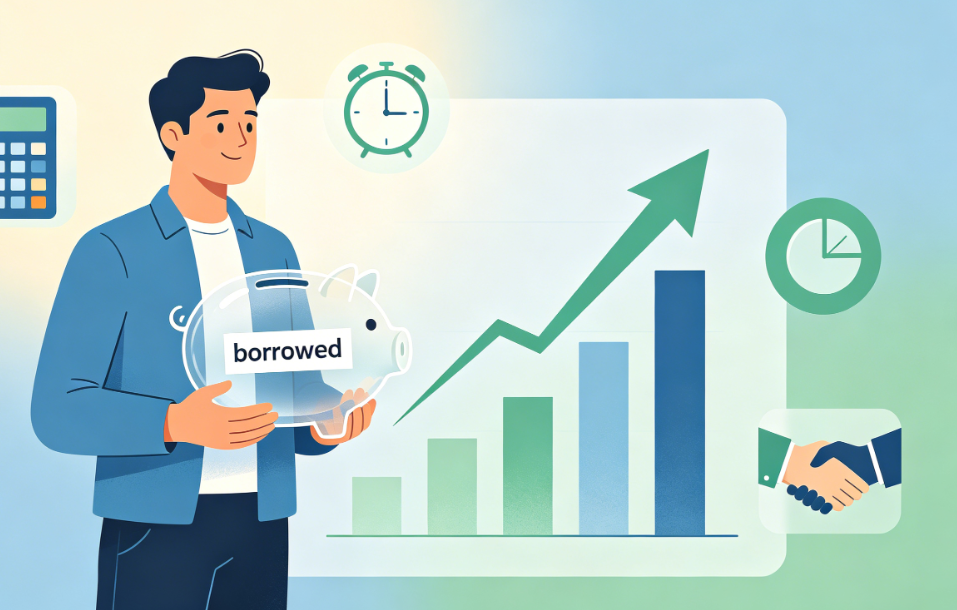
At its core, borrowing is spending future money today. You get a sum of money to buy something you cannot afford right now. In exchange, you promise to pay back the principal plus interest over a set period of time. Interest is the lender’s compensation for taking risk and for not being able to use that money themselves while you have it.
Smart borrowers know that not all borrowing purposes are equal. Borrowing to buy something that will increase in value, like a home or an education, is usually wise. These things may generate returns in the future that exceed the interest you pay. Borrowing to buy something that loses value, like a car or electronics, requires caution. These things lose value the moment you take them home, but your debt remains. Borrowing to fund consumption, like travel, dining, or clothing, is usually a poor choice. After you have enjoyed it, nothing remains except debt and interest.
Before borrowing, ask yourself three questions. First question: what is this money for? If the answer is “I need it to seize an opportunity” or “it will help me earn more money,” it might be good debt. If the answer is “I just want this thing,” pause and think. Second question: do I have alternatives? Can I wait a few months and save up? Can I buy a cheaper substitute? Can I borrow from family without paying interest? Third question: if I lose my income, can I still make the payments? Many people do not ask this, but it matters. If you lose your job or cannot work due to illness, will your repayment plan still hold?
How much to borrow is another critical decision. Lenders will tell you how much you “qualify” for. That does not mean you should borrow that much. Lenders only see your income, existing debt, and credit score. They do not know your lifestyle, your family responsibilities, or your future plans. The amount you qualify for and the amount you can comfortably repay are two different numbers.
A practical rule is that your total monthly payments, including mortgage, car loan, credit cards, and student loans, should not exceed a certain percentage of your monthly income. There is no fixed number that works for everyone. But the principle is clear: after making your payments, the money left over should allow you to live normally, not count the days until your next paycheck.
How you repay matters just as much. The smartest repayment strategy is to pay early. Any extra money, whether from a tax refund, bonus, overtime pay, or gift, can be used to pay down principal early. The interest you save by paying early is equivalent to earning a risk-free investment return equal to your loan interest rate. If your loan rate is ten percent, paying early is like earning a ten percent risk-free return. That is better than most investments.
Another smart strategy is to pay off debts in order of interest rate. Pay off the highest rate debt first, typically credit cards. Then the next highest. Finally the lowest rate debt, like a mortgage. This method saves the most interest. If you need psychological motivation, pay off the smallest debt first to get a quick sense of achievement, then tackle the larger ones.
Finally, never borrow more than you need. The approved amount is not an invitation. Every extra dollar you borrow is a dollar plus interest you must repay. The simplest way to save money is to borrow less.