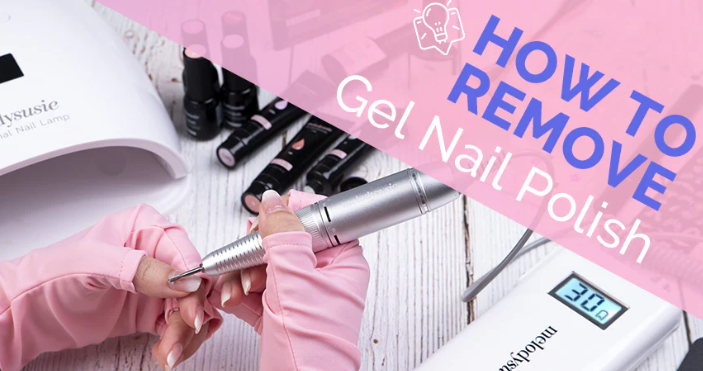
Tools and Products Needed Safe at-home gel removal requires specific tools. Acetone is non-negotiable. Non-acetone removers do not dissolve gel polish. 100% pure acetone works faster than nail polish remover with acetone as one ingredient among many. Cotton balls or cotton pads, aluminum foil cut into squares large enough to wrap around each fingertip, a nail file with 100 to 180 grit, a cuticle pusher or orange stick, and cuticle oil complete the kit. A bowl of warm water to place the wrapped fingers in speeds up the process by warming the acetone. Using a heated rice bag or electric mitt designed for gel removal also helps but is not necessary. No metal tools should be used to scrape off gel because metal scratches the nail plate, causing permanent damage. Wooden cuticle pushers or plastic orange sticks are safe. Attempting gel removal without these tools leads to picking and peeling, which damages nails. The total cost of the tool kit is less than one salon gel removal service. Investing in the right tools prevents the need for months of nail recovery after peeling damage. Signs of having the right tools includes being able to complete the removal process without ever using fingernails or metal implements to scrape the gel.
Step by Step Soaking Process Step one: file the top coat off each nail until the surface looks dull rather than shiny. Filing breaks the seal that protects the gel layers underneath. Focusing on the center of the nail, not the edges, prevents filing natural nail. Step two: soak a cotton ball or pad with acetone, place it directly on the nail, and wrap the fingertip tightly with aluminum foil. The foil should be snug enough to keep the cotton in place but not so tight that it cuts off circulation. Step three: wait 10 to 15 minutes. Placing wrapped fingers in a bowl of warm water or under a warm towel speeds up the process. Step four: remove one foil wrap and check if the gel has lifted. Gently push the gel with a wooden stick. If it lifts easily without resistance, the gel is ready. If it does not lift, re-wrap for another five minutes. Step five: gently push the softened gel off the nail. Never force it. If any gel remains, re-wrap for another five minutes. Step six: buff the nail lightly with a fine-grit buffer to smooth any remaining residue. No step should involve pain, pressure, or scraping sounds. Signs of correct soaking include gel that slides off in one or two pieces without any white marks or grooves left on the natural nail.
Post Removal Nail Care After gel removal, natural nails look white, dry, and feel rough. This is normal but requires immediate care. Washing hands with soap removes all acetone residue. Applying cuticle oil to each nail and massaging it in for 30 seconds per nail replenishes oils lost during soaking. Following with a thick hand cream or nail balm adds moisture. Natural nails need a break from gel polish for at least one to two weeks after removal. During this break, applying a nail strengthener containing keratin or calcium supports recovery. Keeping nails short prevents snagging and peeling of the weakened nail tips. Wearing gloves for dishwashing and cleaning prevents water absorption, which further weakens nails. Taking a biotin supplement may help but only works for new nail growth, not the already damaged nail plate. No product instantly repairs acetone-damaged nails. The damaged nail must grow out, which takes three to six months from cuticle to tip. Signs that post-removal care is working include nails that look less white and dry after three days of oil application, and no peeling or splitting at the tips as the nails grow out. Returning to gel polish before the nails have fully recovered leads to more damage and longer recovery.