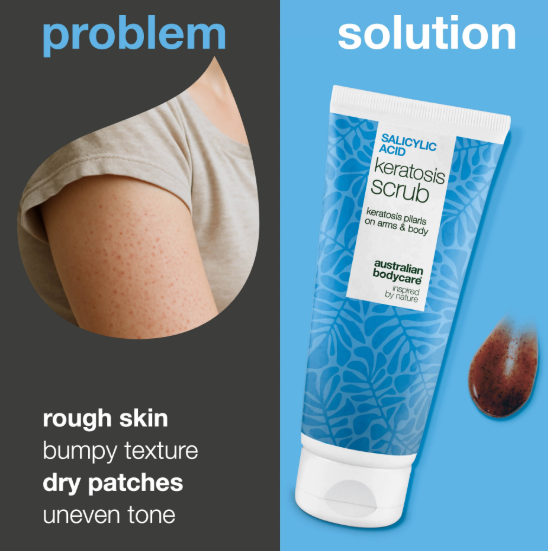
Chemical Exfoliants That Dissolve Plugs Keratosis pilaris (KP) occurs when keratin protein builds up and blocks hair follicles. Physical scrubs scratch the surface but leave the keratin plug intact. Chemical exfoliants dissolve the intercellular glue holding the plug together. Lactic acid, an alpha-hydroxy acid, breaks down keratin while also hydrating the skin. Ten to twelve percent lactic acid lotions applied daily show significant KP improvement within four to six weeks. Urea in concentrations of ten to twenty percent both exfoliates and moisturizes, making it particularly effective for KP. Salicylic acid penetrates into the follicle to dissolve the plug from within. Two percent salicylic acid in a body wash or lotion works well for those who also have acne. Combining two chemical exfoliants, such as a lactic acid lotion in the morning and a salicylic acid wash at night, produces faster results for stubborn KP. No chemical exfoliant removes KP permanently because the condition is genetic. Stopping treatment leads to bump recurrence within two to four weeks. Signs that chemical exfoliation is working include bumps feeling less rough after two weeks and appearing visibly smoother after four weeks.
Physical Exfoliation Methods That Help Physical exfoliation alone makes KP worse by irritating already inflamed follicles. However, gentle physical exfoliation combined with chemical exfoliants helps remove loosened dead skin cells. Using a soft silicone scrubber or a washcloth with light pressure once weekly removes the flakes that chemical exfoliants have loosened. Dry brushing, popular on social media, often aggravates KP because the stiff bristles cause micro-tears. If dry brushing is preferred, using a soft brush and very light pressure for no more than 30 seconds per arm prevents damage. Loofahs and harsh body scrubs with large granules should be avoided entirely on KP-prone skin. The best physical exfoliation method for KP is using a gentle exfoliating mitt in the shower with a chemical exfoliating body wash. Rubbing in circular motions for 10 seconds per area, not 60 seconds, provides enough friction without overdoing it. No physical exfoliation method should cause redness that lasts more than 10 minutes. If redness persists, the pressure is too high or frequency is too often. Signs that physical exfoliation is helping include skin that feels smooth without looking red or raw immediately after exfoliating.
Moisturizing to Prevent Recurrence Exfoliating without moisturizing leaves the skin barrier compromised and actually worsens KP over time. After exfoliation, the skin needs a barrier-repairing moisturizer to prevent keratin from overproducing again. Ingredients that support barrier function include ceramides, niacinamide, and shea butter (if not clogging). Applying moisturizer within three minutes of patting skin dry traps water in the outer layer. Thicker creams or ointments work better than lotions for KP because they contain more occlusive ingredients. For daytime, a lighter moisturizer with SPF prevents sun damage that makes KP bumps look redder. For nighttime, a thicker cream with urea or lactic acid provides continuous exfoliation while sleeping. Using a humidifier in dry climates or winter months prevents the skin from drying out between moisturizer applications. No moisturizer treats KP bumps directly, but well-hydrated skin responds better to exfoliants and shows fewer bumps between treatments. Signs that moisturizing is adequate include skin that feels soft to the touch without being greasy, and KP bumps that appear lighter in color even if still slightly rough.