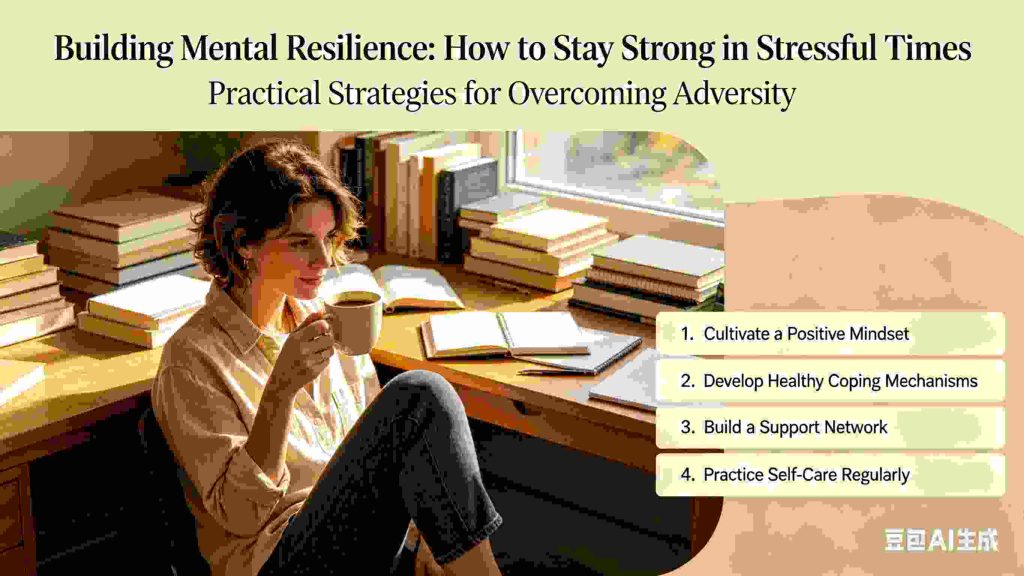
One of the foundations of mental resilience is mindset. Individuals who view challenges as opportunities for growth are better equipped to handle adversity. This perspective allows them to learn from experiences rather than being overwhelmed by them.
Emotional awareness is another key component. Recognizing and understanding emotions helps individuals respond more effectively to stress. Ignoring or suppressing emotions can lead to increased anxiety and burnout over time.
Building strong relationships is essential for resilience. Social support provides comfort, perspective, and encouragement during difficult times. Connecting with others helps reduce feelings of isolation and strengthens emotional well-being.
Physical health also influences mental resilience. Regular exercise, proper nutrition, and adequate sleep support brain function and emotional stability. A healthy body contributes to a stronger and more resilient mind.
Problem-solving skills are important for overcoming challenges. Breaking problems into manageable steps and focusing on solutions rather than obstacles can reduce stress and improve outcomes.
Self-care is often overlooked but is essential for maintaining resilience. Taking time to relax, pursue hobbies, and recharge helps prevent burnout and supports overall well-being.
Adaptability is another important trait. Being open to change and willing to adjust plans when necessary allows individuals to navigate uncertainty more effectively. Flexibility reduces stress and promotes resilience.
Ultimately, building mental resilience is a continuous process. By developing healthy habits, maintaining a positive mindset, and seeking support when needed, individuals can strengthen their ability to handle life’s challenges and thrive in the face of adversity.