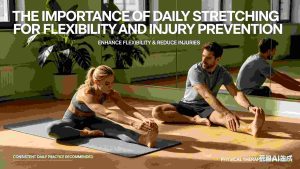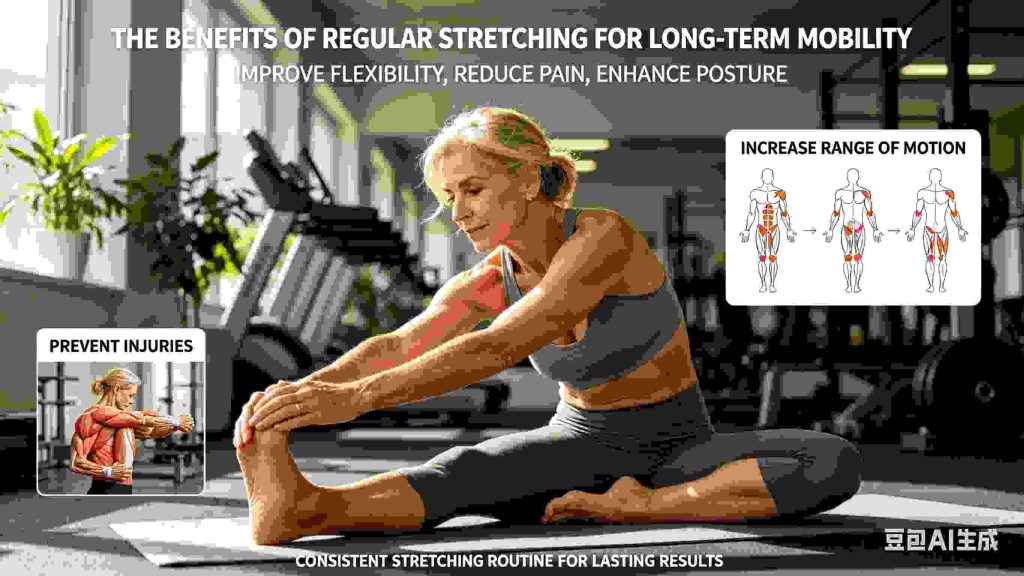
Stretching improves flexibility, allowing joints to move through their full range of motion. This reduces stiffness and enhances overall mobility.
Regular stretching helps prevent injuries. Flexible muscles are less prone to strains and tears during physical activity.
Stretching supports posture by relieving tension in tight muscles. This helps maintain proper alignment and reduces discomfort.
Circulation is improved through stretching. Increased blood flow delivers oxygen and nutrients to muscles.
Stretching also promotes relaxation. Slow, controlled movements reduce stress and tension.
Consistency is important for long-term benefits. Regular stretching leads to lasting improvements.
Different types of stretching serve different purposes. Dynamic and static stretching both have their place.
Ultimately, stretching supports overall health. It enhances mobility and contributes to a balanced fitness routine.
Stretching can also play a key role in improving athletic performance. When muscles are properly warmed up and flexible, they are able to contract and extend more efficiently during physical activity. This leads to better movement patterns, improved coordination, and enhanced overall performance. Athletes and fitness enthusiasts who incorporate regular stretching into their routines often experience greater ease in executing exercises, as well as improved strength and endurance over time.
Another important benefit of stretching is its impact on muscle recovery. After intense physical activity, muscles can become tight and fatigued due to the buildup of tension and metabolic byproducts. Gentle stretching helps release this tension and promotes relaxation, allowing the muscles to recover more effectively. This can reduce post-exercise soreness and improve readiness for future workouts, making it an essential component of any well-rounded fitness routine.
Stretching also contributes to body awareness and control. By focusing on how muscles feel during stretching exercises, individuals become more attuned to their bodies and can identify areas of tightness or imbalance. This increased awareness helps prevent improper movement patterns and encourages better form during exercise and daily activities. Over time, this improved mind-body connection supports overall physical health and reduces the risk of injury.