One of the most important factors in aging is oxidative stress. This occurs when there is an imbalance between free radicals and antioxidants in the body. Free radicals can damage cells and accelerate aging, while antioxidants help neutralize them. Consuming a diet rich in fruits, vegetables, and whole foods provides the antioxidants needed to combat this process.
Inflammation is another key contributor to aging and chronic disease. While acute inflammation is a natural response to injury, chronic inflammation can damage tissues and accelerate aging. Lifestyle factors such as poor diet, lack of exercise, and stress can all contribute to this condition. Reducing processed foods and incorporating anti-inflammatory habits can make a significant difference.
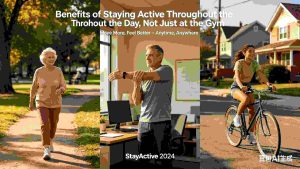
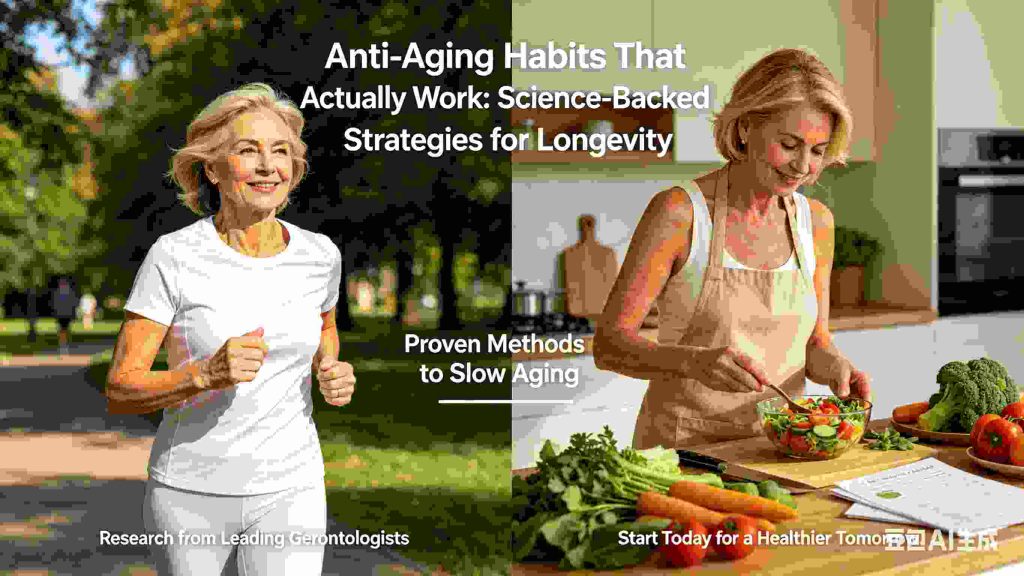
Physical activity plays a vital role in maintaining youthfulness. Regular exercise improves circulation, supports muscle mass, and enhances cardiovascular health. It also promotes the release of growth factors that help repair cells and tissues. Both strength training and aerobic exercise are important for overall longevity.
Sleep is essential for cellular repair and regeneration. During deep sleep, the body removes toxins and repairs damaged cells. Chronic sleep deprivation can accelerate aging and increase the risk of various diseases. Prioritizing high-quality sleep is one of the simplest yet most effective anti-aging strategies.
Skin health is often seen as a reflection of internal health. Hydration, nutrition, and sun protection all play a role in maintaining healthy skin. Excessive sun exposure is one of the leading causes of premature aging, making sunscreen a crucial daily habit.
Mental health and social connections are equally important. Loneliness and chronic stress have been linked to increased mortality risk. Maintaining strong relationships and engaging in meaningful activities can improve both mental and physical health.
Nutrition also influences aging at a cellular level. Certain dietary patterns, such as those rich in healthy fats, lean proteins, and whole foods, support longevity. Limiting sugar and processed foods helps reduce inflammation and metabolic stress.
Ultimately, aging gracefully is about consistency in daily habits. Small, sustainable changes can have a profound impact over time, allowing individuals to maintain health, energy, and vitality as they age.