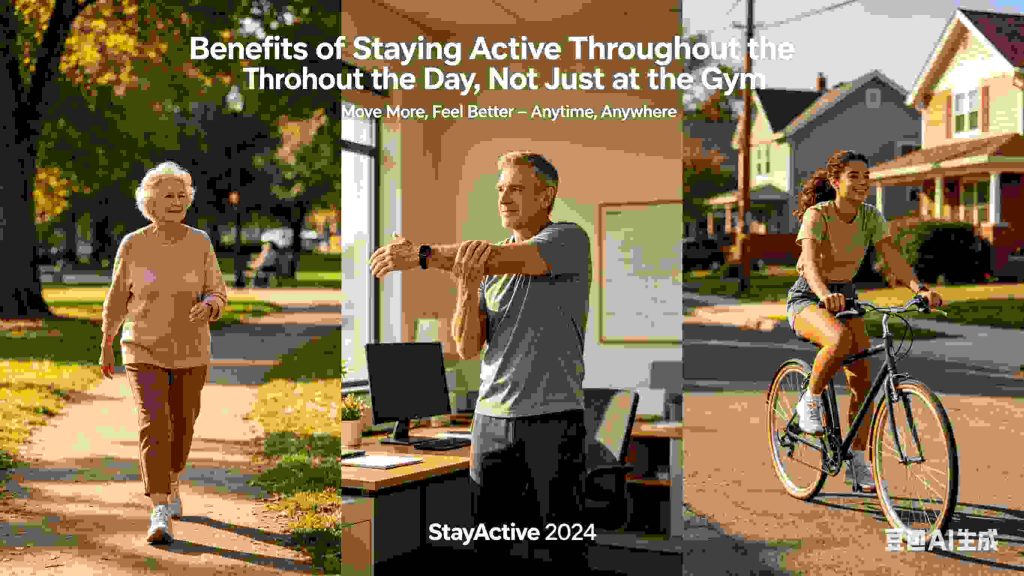
One of the biggest issues with sedentary lifestyles is prolonged sitting. Many people spend hours sitting at desks, commuting, or relaxing in front of screens. This lack of movement can slow metabolism and negatively impact circulation. Incorporating small movements throughout the day, such as standing or walking breaks, can help counteract these effects.
Non-exercise activity thermogenesis, often referred to as NEAT, represents the calories burned through daily activities outside of structured workouts. Simple actions like walking, cleaning, or even fidgeting contribute to overall energy expenditure. Increasing these activities can significantly impact weight management and overall health.
Frequent movement also supports joint health and mobility. Remaining in one position for extended periods can lead to stiffness and discomfort. Regular movement helps maintain flexibility and reduces the risk of musculoskeletal issues over time.
Mental benefits are another important factor. Taking short breaks to move can improve focus, reduce stress, and enhance productivity. This is particularly important for individuals working in high-pressure environments.
Incorporating movement into daily routines does not require drastic changes. Choosing stairs over elevators, walking during phone calls, or performing light stretches can make a meaningful difference.
Consistency is more important than intensity when it comes to daily movement. Small, repeated actions throughout the day accumulate and contribute to overall health improvements.
Technology can also be used to encourage activity. Wearable devices and reminders can prompt individuals to stand or move regularly, helping build healthier habits.
Ultimately, staying active throughout the day complements structured exercise. By integrating movement into everyday life, individuals can improve their health in a sustainable and effective way.