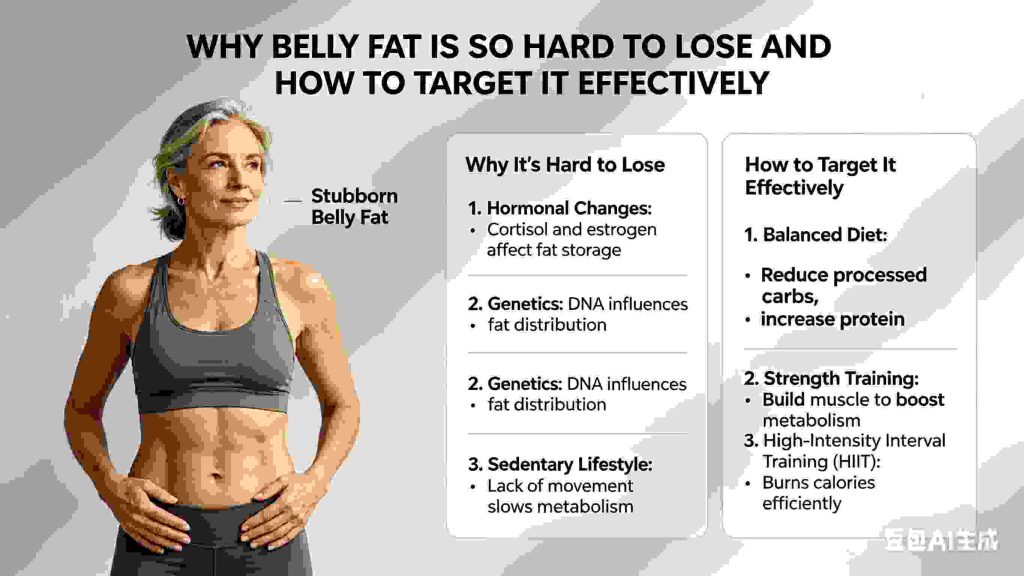
One of the main reasons belly fat is difficult to lose is due to its biological function. Visceral fat, which surrounds internal organs, is metabolically active and responds differently to hormones compared to subcutaneous fat. It is more sensitive to stress hormones like cortisol, which can promote fat storage in the abdominal area, especially during periods of chronic stress.
Diet plays a crucial role in the accumulation and reduction of belly fat. High consumption of refined carbohydrates and added sugars can lead to increased insulin levels, which encourages fat storage. Reducing these foods and focusing on whole, nutrient-dense options can help regulate blood sugar and support fat loss.
Exercise is another essential factor, but not all workouts are equally effective. While traditional abdominal exercises can strengthen core muscles, they do not specifically burn belly fat. A combination of cardiovascular exercise and strength training is more effective for overall fat loss, including in the abdominal region.
Sleep and stress management are often overlooked but have a significant impact on belly fat. Poor sleep increases cortisol levels and disrupts hormones that regulate appetite. Chronic stress further exacerbates this issue, making it harder to lose fat even with proper diet and exercise.
Hormonal imbalances can also contribute to stubborn belly fat. Factors such as aging, hormonal changes, and lifestyle habits can affect how the body stores and burns fat. Addressing these imbalances through healthy habits is key to long-term success.
Consistency is critical when targeting belly fat. Quick fixes and extreme diets may lead to temporary results but are rarely sustainable. A steady, long-term approach that includes balanced nutrition, regular exercise, and healthy lifestyle habits is more effective.
Hydration also plays a role in fat loss. Drinking enough water supports metabolism, aids digestion, and can help reduce bloating, which is often mistaken for belly fat. Simple habits like replacing sugary drinks with water can make a noticeable difference.
Ultimately, losing belly fat requires a holistic approach. By addressing diet, exercise, sleep, and stress, individuals can create an environment where fat loss becomes more achievable and sustainable over time.