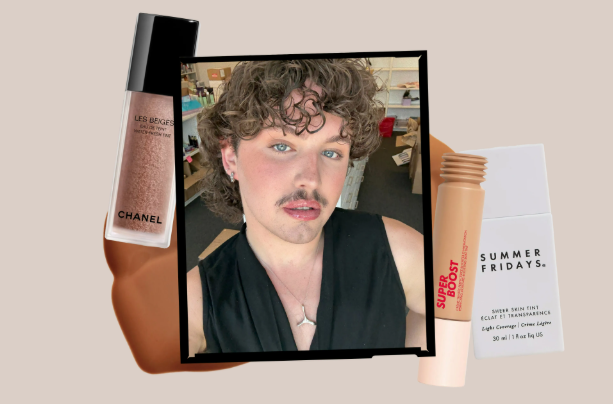
Differences and Skin Preparation Foundation provides medium to full coverage designed to even out skin tone, conceal imperfections, and create a uniform base. Tinted moisturizer offers sheer coverage that slightly evens tone while prioritizing hydration. The amount of pigment per application determines coverage level. Foundation typically contains 10% to 15% pigment. Tinted moisturizer contains 3% to 8% pigment. This difference means tinted moisturizer cannot hide dark spots, active acne, or significant redness. It blurs rather than conceals. Skin preparation differs as well. Foundation requires a smooth, primed surface to avoid caking. Tinted moisturizer works best on well-hydrated skin but forgives minor texture. Applying foundation over dry patches emphasizes flaking. Tinted moisturizer over dry patches still looks dry but less obviously so. No product performs well on completely unprepared skin. Cleansing and moisturizing before either product improves application. For those with good skin and minimal concerns, tinted moisturizer saves time and feels lighter. For those with uneven texture or discoloration, foundation provides the coverage needed. Signs that foundation is too heavy include visible settling into fine lines or a mask-like appearance in natural light.
SPF Claims and Sun Protection Reality Many tinted moisturizers and some foundations include SPF 15 to 30. This SPF is rarely sufficient for daily sun protection. The problem is application amount. SPF testing uses 2mg of product per square centimeter of skin, which equals approximately one-quarter teaspoon for the face. Most people apply far less foundation or tinted moisturizer than this amount. Applying enough foundation to reach the labeled SPF creates a cakey, unnatural look. Applying enough tinted moisturizer to reach SPF 30 feels heavy and greasy. Therefore, relying on makeup for sun protection leaves the skin under-protected. A separate sunscreen applied under makeup provides reliable protection. Tinted sunscreens, which are sunscreens with added iron oxides for color, offer better protection than tinted moisturizers with SPF because they are formulated as sun protection first. No tinted moisturizer or foundation replaces a dedicated sunscreen for outdoor activities or extended sun exposure. Using a separate SPF 30 or higher sunscreen, waiting five minutes for it to set, then applying tinted moisturizer or foundation on top ensures protection without compromising makeup finish.
Longevity and Touch Up Needs Foundation generally lasts longer on the skin than tinted moisturizer because foundation contains more film-forming ingredients that resist oil and sweat. A full-coverage foundation may last 10 to 12 hours without significant fading. Tinted moisturizer typically lasts 4 to 6 hours before sheering out or settling into lines. Oily skin breaks down tinted moisturizer faster than dry skin because the product lacks the binding agents found in foundation. Setting tinted moisturizer with translucent powder extends wear to 6 to 8 hours. Setting foundation with powder extends wear to 12+ hours. Touch-up needs differ as well. Tinted moisturizer fades evenly, disappearing without obvious patches. Foundation fades unevenly, often wearing off the nose and chin while remaining full elsewhere, creating a patchy appearance. Blotting papers and powder touch-ups work for both. Reapplying tinted moisturizer over makeup mid-day often causes pilling. Reapplying foundation over foundation works better with a damp sponge. No product lasts through swimming, heavy sweating, or face touching regardless of formulation. Managing expectations prevents frustration. For all-day events, foundation with setting spray performs best. For casual errands, tinted moisturizer provides enough coverage without feeling heavy.