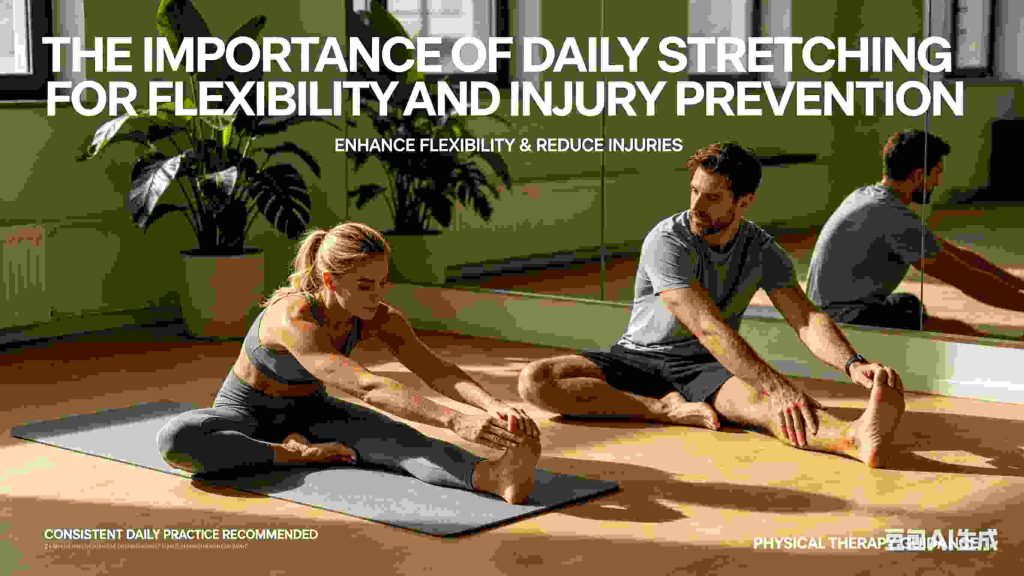
Flexibility is essential for maintaining a full range of motion in the joints. Without regular stretching, muscles can become tight and stiff, limiting movement and increasing the risk of injury. Stretching helps keep muscles elongated and functional.
One of the primary benefits of stretching is injury prevention. Tight muscles are more prone to strains and tears, especially during physical activity. By improving flexibility, stretching reduces tension and prepares the body for movement.
Stretching also improves posture. Many people develop poor posture due to prolonged sitting and screen use. Tight muscles in the chest and hips can pull the body out of alignment. Regular stretching helps correct these imbalances.
Circulation is another benefit. Stretching increases blood flow to muscles, delivering oxygen and nutrients that support recovery and performance. This can be particularly beneficial after exercise.
Mental relaxation is often associated with stretching. Slow, controlled movements combined with deep breathing can reduce stress and promote a sense of calm. This makes stretching a valuable addition to both physical and mental health routines.
There are different types of stretching, including static and dynamic stretching. Static stretching involves holding a position, while dynamic stretching includes controlled movements. Both have their place depending on the context.
Consistency is key to seeing results. Stretching occasionally may provide temporary relief, but regular practice leads to long-term improvements in flexibility and mobility.
Ultimately, daily stretching is a simple yet effective way to support overall health. By dedicating just a few minutes each day, individuals can improve flexibility, reduce injury risk, and enhance their quality of life.