The first thing to understand is that lenders are not charities. Banks, credit unions, and finance companies lend money to make money. Their primary way of making money is charging interest. If a loan generates no interest at all, the lender has no incentive to offer it. So why do some “interest-free” loan products exist in the market?
The most common interest-free loan is the grace period on a credit card. If you pay your full balance by the due date, you pay no interest on the money you borrowed during the grace period. The grace period is typically twenty to fifty days. This is not a large loan, nor is it long-term. It is short-term cash flow management.
Another type of interest-free loan is promotional financing offered by some retailers. “Buy furniture today, pay no interest for twelve months.” But these promotions usually have traps. If you do not pay off the full amount within twelve months, you will be charged retroactive interest from the day of purchase. That interest rate is typically very high. Many people think they are enjoying an interest-free loan, only to be charged hundreds of dollars in interest because they were late by one month.
True large interest-free loans, such as borrowing tens of thousands of dollars with no interest for several years, almost do not exist. If someone offers you such a product, you should be very cautious. It may be a scam, or it may have hidden fees.
So if you need a large sum of money and do not want to pay high interest, what are your options?
The first option is a family loan. Borrowing from family or friends allows you to agree on zero or very low interest. But this option has risks. Borrowing money can change your relationship. Even with the closest family members, failing to repay can cause harm. If you choose this path, be sure to write a simple loan agreement. State the loan amount, repayment schedule, and whether there is interest. Separate emotional relationships from financial ones.
The second option is a secured loan. If you have assets, such as a house or a car, you can use them as collateral to apply for a loan. Because the lender has collateral, their risk is lower, so they may offer a lower interest rate. But the risk is that if you do not repay, you lose your asset.
The third option is a credit union. Credit unions are non-profit organizations. Their loan interest rates are typically lower than commercial banks. If you have good credit, you might get a significantly lower rate from a credit union than from a bank. It will not be zero percent, but it may be low enough to be acceptable.
The fourth option is a zero percent introductory rate credit card. Some credit cards offer zero percent interest for the first twelve to eighteen months after opening the account. You can borrow money during this period without paying interest. But be aware: after the introductory period ends, the interest rate jumps to a high level. Also, these cards are typically only available to people with very high credit scores. Additionally, you need to pay off the full balance before the introductory period ends, or you will be charged retroactive interest.
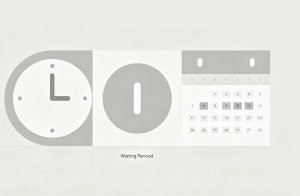
The fifth option is waiting and saving. This does not sound like a “financial product,” but it is the safest choice. If you need money now but cannot afford to pay interest, perhaps you should not borrow at all. Delay the purchase. Save up. Then pay in cash. No interest. No debt. No risk.
Before considering any loan, ask yourself one question: what do I need this money for? If the answer is “paying for emergency medical care” or “fixing a broken roof at home,” borrowing may be necessary. If the answer is “buying a better car” or “going on vacation,” borrowing is probably a bad idea.
If you see an advertisement for a “large interest-free loan,” stop and read the fine print carefully. Look for hidden fees, retroactive interest clauses, and prepayment penalties. If you do not understand a term, do not sign. Legitimate loan products clearly tell you all the costs and terms. Products that try to hide information are usually not working for your benefit.