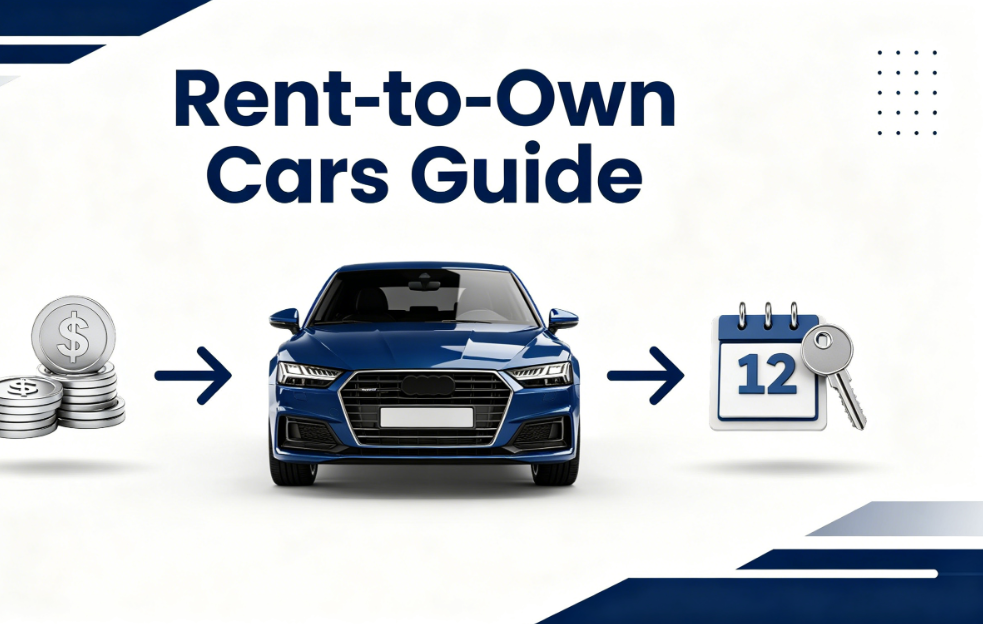
The lease-to-own model was originally designed for people with poor credit or those unable to obtain traditional car loans. It seems very attractive: even with a low credit score or no credit history, you can drive away with a car. No large down payment is required, and the bi-weekly or monthly payments don’t seem high. For those urgently needing a car but rejected by traditional loans, this seems like a lifeline.
But the problem is, leasing a car costs significantly more than buying one. How much more? In some cases, the total amount you pay in a lease-to-own contract can be two or even three times the actual value of the vehicle.
Let’s understand the structure of a lease-to-own contract. In a lease-to-own contract, you typically pay rent weekly or bi-weekly. These individual rent payments are small, perhaps only a few tens of dollars. But you pay for a long period. Accumulated, the total amount you pay over the lease term will far exceed the normal purchase price of the vehicle. Moreover, you are not the owner until the end of the lease term. You are simply renting the car, just like renting an apartment. If you stop paying midway, the vehicle will be repossessed, and all the money you’ve already paid will not be refunded.
The terms in lease-and-buy contracts are often very unfavorable to consumers. Interest rates are extremely high, sometimes reaching triple digits annually. Fees are opaque, with various hidden charges within the contract. Early termination penalties are severe; if you want to buy out or return the car early, you’ll have to pay a large sum. Many lease-and-buy contracts also require you to purchase expensive add-ons, such as extended warranties, gap insurance, and tire and rim protection. These add-ons are bundled into weekly payments, making it difficult to refuse.
Worse still, many lease-and-buy companies simply don’t report your on-time payments to credit bureaus. You might make timely payments for a year or even two, but your credit score won’t improve at all. You pay a high cost without gaining the benefit of building or repairing your credit. This is one of the most criticized aspects of the lease-and-buy model.
So, if you can’t get a traditional car loan, what’s a better option?
The first option is to save up and buy a cheap car. A few thousand dollars can buy a drivable used car. It might not be pretty, it might have high mileage, and it might have some minor problems. But it can take you where you need to go. And you’ll be the owner. No monthly payments, no interest, and it won’t be foreclosed. You can drive the car for several years and use the savings from the monthly payments to build credit or save for a better car.
The second option is to apply for a secured credit card and spend six to twelve months building or repairing your credit. Secured credit cards require you to deposit a deposit, but after using them for a period of time, your credit score will improve. Then you can apply for a traditional car loan from a credit union. Credit unions are non-profit organizations and are generally more willing to lend to people with average credit than banks.
The third option is to find a family member or friend with good credit to act as a co-signer. The co-signer promises…