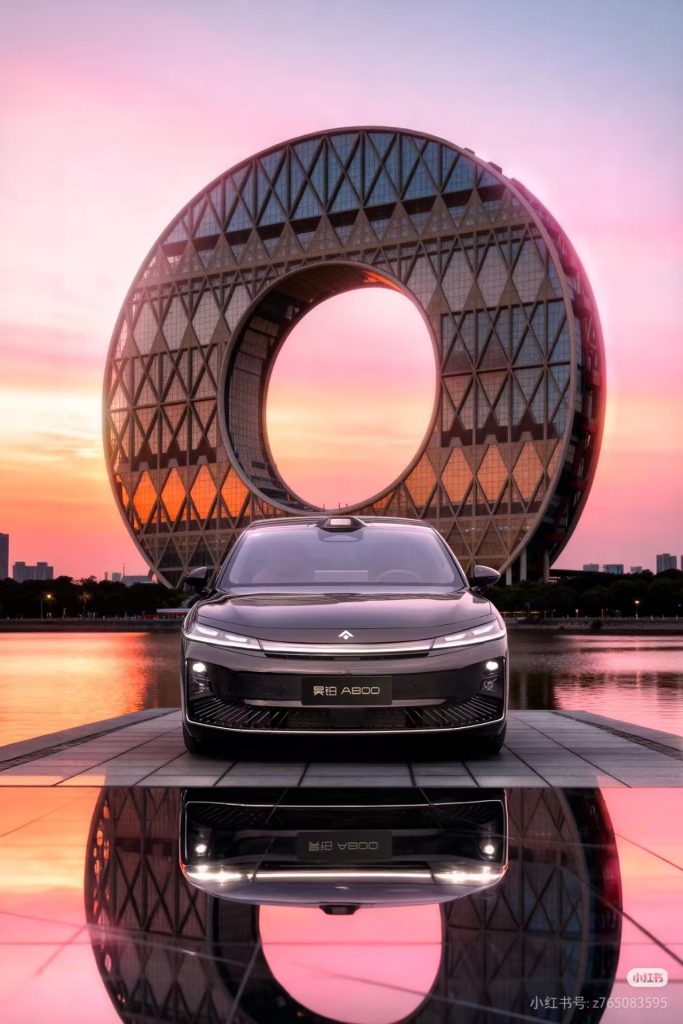
The traditional definition of sculpture as a carved or modeled three‑dimensional object has exploded. Contemporary sculptors draw on conceptual art, minimalism, land art, and digital fabrication. Key tendencies include:
Installation and Environment – Sculptures that occupy entire rooms or landscapes, often immersive. Yayoi Kusama’s Infinity Mirror Rooms use lights and mirrors to create endless space. Olafur Eliasson’s The Weather Project (2003) filled the Tate Modern’s Turbine Hall with a giant sun. These works prioritize viewer experience over object.
Found Objects and Assemblage – Using discarded or everyday items. John Chamberlain crushed car parts into colorful, abstract forms. Sarah Sze constructs intricate, sprawling installations from toothpicks, light bulbs, and paper clips. These works comment on consumerism and ephemerality.
Social and Political Commentary – Sculpture addressing race, gender, labor, and environment. Kara Walker creates silhouetted tableaux critiquing slavery and racism. Ai Weiwei’s Straight (2012) – 90 tons of steel rebar from collapsed Sichuan earthquake schools – memorializes negligence. The Monument to the Third International by Tania Bruguera (2013) used a recreated Lenin statue as a performance space.
Light and Kinetic Sculpture – Works that move or use light as primary medium. Anthony McCall’s Solid Light installations project beams into mist. Leo Villareal’s The Bay Lights (2013) is a programmed LED array on the San Francisco‑Oakland Bay Bridge. Kinetic sculptors like Arthur Ganson create whimsical, slow‑moving machines.
Bio‑art and Living Sculpture – Using living organisms. Eduardo Kac’s GFP Bunny (2000) was a genetically modified green‑fluorescent rabbit. SymbioticA artists grow tissue cultures into semi‑living sculptures. These works raise ethical questions.
Digital and Virtual Sculpture – Sculpture created in software, experienced via VR/AR, or fabricated by 3D printers. TeamLab’s immersive digital installations blur boundaries. NFTs (non‑fungible tokens) allow digital sculptures to be “owned” on blockchain. Some artists create sculptures that exist only in virtual space.
Social Practice – Sculpture as community action. Theaster Gates transforms abandoned buildings into cultural centers. Rick Lowe’s Project Row Houses (Houston) turned shotgun houses into art spaces and community services. The “sculpture” is the process and outcome.
Contemporary sculpture is less about permanent objects and more about experiences, ideas, and interactions. The artist may be a researcher, activist, engineer, or programmer. The audience may be co‑creator. Despite the shifts, the core remains: sculpture transforms how we see and inhabit the world.