Architecture is more than just shelter; it is an expression of culture, technology, and personal identity. When designing a house, the architectural style sets the tone for everything else – from the roof pitch to the window placement, from material choices to interior flow. Here is an overview of popular residential styles and what makes each unique.
Colonial – Inspired by American colonial history, these homes are characterized by symmetrical facades, evenly spaced double‑hung windows, shutters, and a centered front door. Gabled roofs and brick or wood siding are common. Inside, a central hallway with rooms on either side creates a formal, balanced layout. Colonial homes evoke tradition, stability, and elegance. Variants include Georgian, Federal, and Dutch Colonial.
Victorian – Flourishing during the Industrial Revolution, Victorian homes are ornate, asymmetrical, and highly decorative. Features include steeply pitched roofs, bay windows, wraparound porches, gingerbread trim, and fish‑scale shingles. Queen Anne is a popular subtype. Victorian houses offer character and charm but require more maintenance. They appeal to those who love intricate detail.
Craftsman – Emerging from the Arts and Crafts movement, Craftsman homes emphasize natural materials, handcrafted details, and connection to nature. Low‑pitched gable roofs, wide eaves with exposed rafters, tapered columns on stone porches, and built‑in furniture (bookcases, window seats) define the style. Interiors are open and cozy, with a focus on functionality. Craftsman remains popular for its warmth and livability.
Mid‑Century Modern – From the 1940s to 1960s, this style celebrated clean lines, flat planes, large glass windows, and open floor plans. It blurred indoor‑outdoor boundaries, often with floor‑to‑ceiling glass and courtyards. Post‑and‑beam construction, low rooflines, and minimal ornamentation are hallmarks. Mid‑century modern appeals to minimalists and nature lovers.
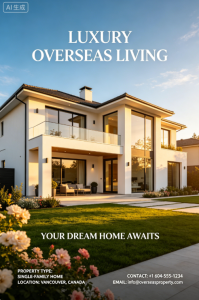
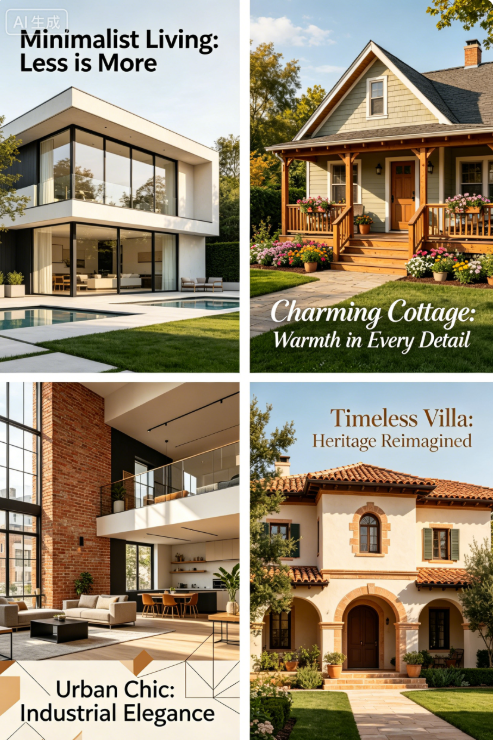
Contemporary – Not tied to a specific era, contemporary design changes with trends. Today’s contemporary homes feature mixed materials (wood, stone, metal, glass), flat or shed roofs, asymmetrical shapes, and sustainable features like solar panels and green roofs. Interiors are open, light‑filled, and flexible. Contemporary design prioritizes innovation and energy efficiency.
Farmhouse – Modern farmhouse has become wildly popular. It combines rustic warmth with clean lines. Characteristics include board‑and‑batten siding, large covered porches, metal roofs, and simple forms. Inside, shiplap walls, neutral palettes, and functional layouts create a relaxed, welcoming atmosphere. It nods to rural heritage while feeling fresh.
Mediterranean – Common in warm climates, Mediterranean homes feature stucco exteriors, red tile roofs, arched windows and doorways, wrought‑iron details, and courtyards or patios. Interiors often have terra cotta or tile floors, exposed beams, and decorative tiles. This style evokes a vacation‑like, sun‑drenched feel.
When choosing a style, consider your climate, neighborhood context, budget, and personal preference. A well‑executed architectural style increases curb appeal and resale value. However, don’t be afraid to blend elements – many beautiful homes are hybrids that borrow the best from multiple traditions. The key is consistency in details and proportions.