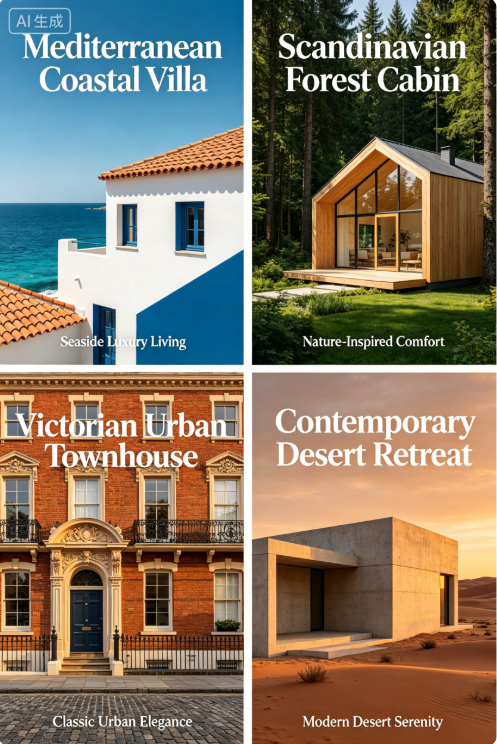
The desire to connect with nature is universal. Studies show that access to natural light, fresh air, and greenery reduces stress, improves mood, and boosts creativity. In house design, the indoor‑outdoor connection is achieved through architectural elements that blur the line between inside and outside. Here are the most effective strategies.
Large Glass Openings:
The simplest method is to install large sliding, folding, or pivot doors that open fully to a patio, deck, or garden. Multi‑slide doors disappear into wall pockets, creating an opening as wide as the room. Folding (bifold) doors stack neatly to one side. These systems require a flush floor transition – no step – to allow easy movement and wheelchair access.
Fixed floor‑to‑ceiling windows without mullions (or minimal mullions) bring in light and views even when closed. Corner windows eliminate visual barriers.
Covered Outdoor Rooms:
A covered patio, porch, or loggia extends living space. With a roof, lighting, ceiling fan, and outdoor heating, it becomes usable in more seasons. Furnish it like an indoor room – comfortable seating, dining table, rugs (outdoor rated), and art. Outdoor kitchens with grill, sink, and refrigerator make entertaining seamless.
Screens or retractable glass walls can enclose the space for bug control while preserving the open feel.
Courtyards and Atriums:
An interior courtyard brings light and greenery into the center of the home. It can be as small as a light well or as large as a garden room. Floor‑to‑ceiling windows face the courtyard, creating a visual focal point. Atriums with skylights are common in contemporary homes.
Decks and Patios with Continuity:
Use the same flooring material inside and out to visually unify spaces. Large‑format porcelain tiles can run from living room to patio. The lack of threshold and consistent material makes the space feel larger.
Landscaping as Design:
What you see from windows matters. Frame views with strategic planting. A row of bamboo, a specimen tree, or a water feature draws the eye outward. Avoid clutter – a simple, elegant landscape complements the architecture.
Transition Zones:
Mudrooms, sunrooms, and three‑season porches act as buffers. A sunroom with operable windows and screens can be open in mild weather and closed in winter. These transition spaces prevent dirt and moisture from entering the main living areas.
Outdoor Furniture and Textiles:
Today’s outdoor furniture rivals indoor in comfort. Deep seating, weather‑resistant cushions, and teak or aluminum frames withstand the elements. Outdoor rugs (polypropylene) and lighting (solar or low‑voltage) complete the room.
Climate Considerations:
In hot climates, provide deep overhangs or pergolas to shade glass. In cold climates, use double or triple‑glazed doors and consider heated pavers or snowmelt systems. Operable windows or vents prevent overheating.
Examples:
California modern – Floor‑to‑ceiling sliding glass, concrete floors, pool visible from living room.
Mediterranean – Large covered terraces, arched openings, courtyards with fountains.
Japanese – Engawa (verandas), shoji screens, gardens viewed from every room.
Practical Tips:
Ensure proper drainage away from door thresholds.
Choose energy‑efficient glass (Low‑E, argon fill) to minimize heat loss/gain.
Install insect screens for warm months.
Plan for sun angles – south‑facing glass can overheat; use overhangs or deciduous trees.
The indoor‑outdoor connection is not just a trend; it is a fundamental way to improve quality of life. Even a small balcony with a potted plant and a comfortable chair can make a difference. Start with what you have, and dream of what could be.