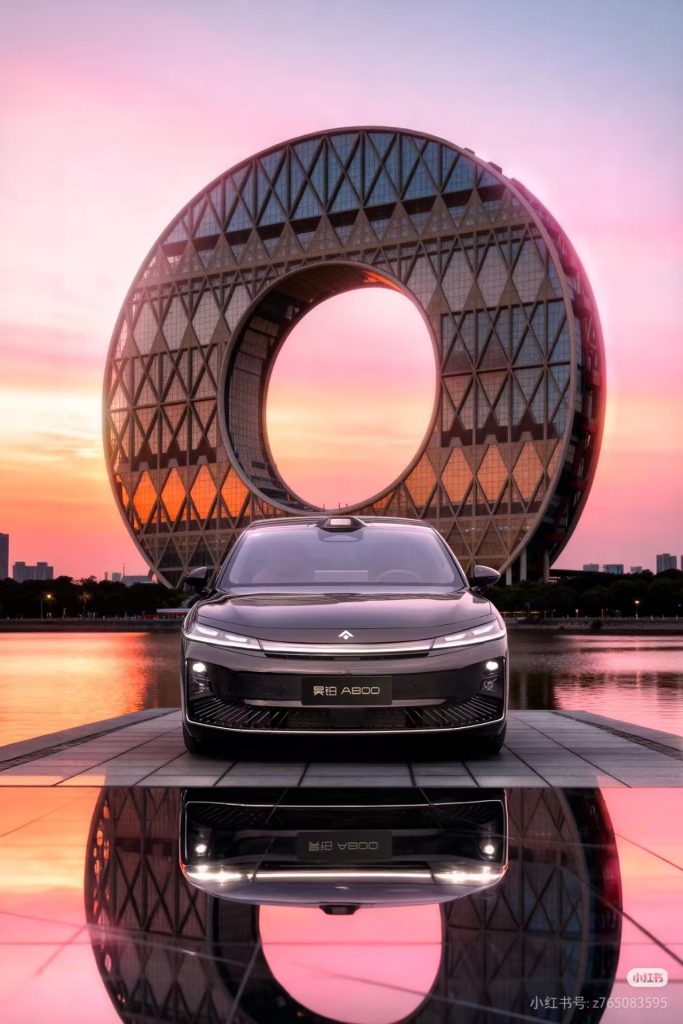
One of the main ways automobile manufacturers promote road safety is by developing and integrating advanced safety features into their vehicles. These safety features are designed to prevent accidents, reduce the severity of accidents when they occur, and protect occupants and pedestrians. Some of the most common advanced safety features include automatic emergency braking (AEB), lane-keeping assist (LKA), adaptive cruise control (ACC), blind-spot monitoring (BSM), and pedestrian detection systems. These features use sensors, cameras, and AI algorithms to detect potential hazards and assist the driver in avoiding accidents. Automatic emergency braking (AEB) is one of the most effective safety features introduced by automakers. AEB systems use cameras and radar to detect vehicles, pedestrians, and other hazards in front of the vehicle. If the system detects an imminent collision and the driver does not react in time, it automatically applies the brakes to reduce the speed of the vehicle or prevent the collision altogether. Studies have shown that AEB can reduce rear-end collisions by up to 50% and pedestrian collisions by up to 30%, making it a crucial safety feature for modern vehicles. Lane-keeping assist (LKA) is another important safety feature that helps prevent accidents caused by lane drift. LKA systems use cameras to detect the lane markings on the road and alert the driver if the vehicle starts to drift out of its lane without signaling. Some LKA systems also gently steer the vehicle back into its lane, further reducing the risk of accidents. Adaptive cruise control (ACC) helps maintain a safe distance from the vehicle in front, reducing the risk of rear-end collisions caused by following too closely. Blind-spot monitoring (BSM) alerts the driver if there is a vehicle in their blind spot, helping to prevent lane-change accidents. Automobile manufacturers are also committed to meeting and exceeding safety standards set by regulatory bodies around the world. These standards, such as the European New Car Assessment Programme (Euro NCAP) and the National Highway Traffic Safety Administration (NHTSA) in the United States, evaluate the safety of vehicles based on a variety of tests, including crash tests, pedestrian protection, and advanced safety features. Automakers invest heavily in research and development to ensure their vehicles meet these standards, and many go beyond the minimum requirements to provide additional safety features. In addition to developing advanced safety features and meeting safety standards, automakers are also investing in research to reduce the number of accidents caused by human error. Human error is the cause of approximately 90% of all traffic accidents, and automakers are working to develop technologies that help mitigate the impact of human error. For example, driver monitoring systems use cameras to detect signs of fatigue, distraction, or impairment, alerting the driver to take a break or focus on the road. Some driver monitoring systems can even take control of the vehicle temporarily if the driver is unable to, such as pulling over to the side of the road if the driver is fatigued. Automakers are also working to improve pedestrian safety, which is a major concern in urban areas. Pedestrian detection systems use cameras and radar to detect pedestrians in the path of the vehicle, alerting the driver and applying the brakes if necessary. Additionally, automakers are designing vehicles with softer front ends and pedestrian airbags, which reduce the severity of injuries if a pedestrian is hit by the vehicle. Some automakers are also developing technologies that communicate with pedestrians, such as warning lights or sounds, to alert them to the presence of the vehicle. Another way automakers promote road safety is through education and awareness campaigns. Many automakers partner with governments and non-profit organizations to educate drivers about safe driving practices, such as wearing seatbelts, avoiding distracted driving, and obeying speed limits. For example, Ford’s “Buckle Up for Safety” campaign encourages drivers and passengers to wear seatbelts, and Toyota’s “Drive Safe, Arrive Safe” campaign promotes safe driving habits. These campaigns help raise awareness about road safety and encourage drivers to make safer choices behind the wheel. However, there are challenges that automakers face in promoting road safety. One of the main challenges is the cost of developing and integrating advanced safety features. Advanced safety features are expensive to develop and install, which can increase the cost of vehicles, making them less accessible to some consumers. Additionally, some drivers are not familiar with how to use advanced safety features, which can reduce their effectiveness. Automakers must educate drivers about how to use these features to ensure they are used properly. Looking to the future, automakers will continue to invest in road safety, with the development of autonomous driving technology. Autonomous vehicles have the potential to eliminate human error, which is the main cause of traffic accidents, making roads safer for everyone. Automakers are testing autonomous vehicles around the world, and while there are still technical and regulatory challenges to overcome, autonomous driving technology is expected to revolutionize road safety in the coming decades. Additionally, automakers will continue to improve existing safety features and develop new ones, further reducing the number of accidents and fatalities on the road. In conclusion, automobile manufacturers play a crucial role in promoting road safety, through the development of advanced safety features, compliance with safety standards, research to mitigate human error, and education and awareness campaigns. While there are challenges to overcome, the commitment of automakers to road safety has led to significant improvements in vehicle safety, reducing the number of accidents and fatalities. As technology continues to advance, automakers will continue to play a leading role in making roads safer for drivers, passengers, and pedestrians.