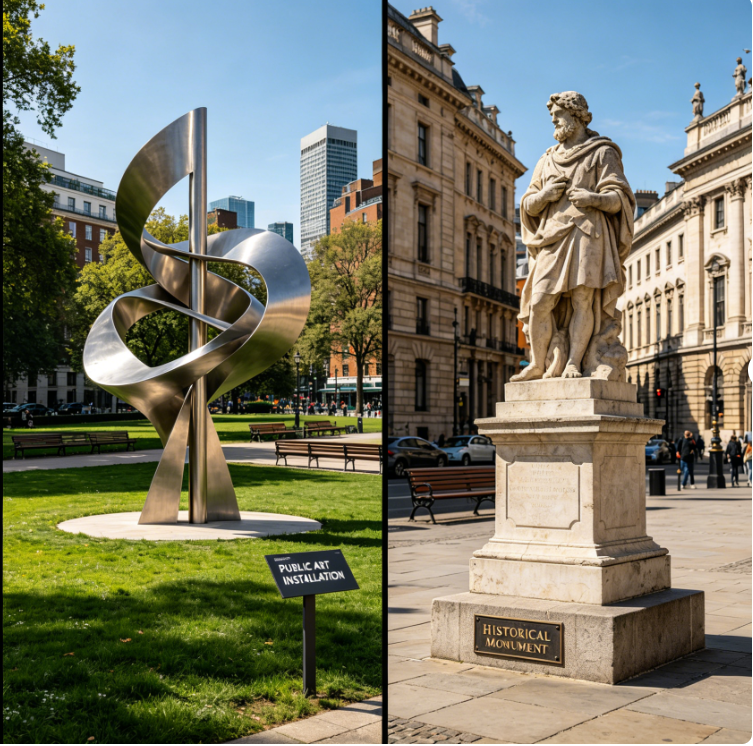
Sculptors have always worked with the materials available to them – and pushed the boundaries of what is possible. Understanding the characteristics of different media helps both artists and viewers appreciate the work.
Stone (marble, limestone, granite, alabaster, soapstone) is one of the oldest and most revered materials. Marble, especially from Carrara (Italy), is prized for its translucency and fine grain, allowing polished surfaces that resemble skin. Granite is extremely hard, suitable for outdoor monuments. Soapstone is soft and easily carved, often used in indigenous art. Stone carving is subtractive and irreversible; it demands patience and skill. Symbolically, stone represents endurance, truth, and the eternal.
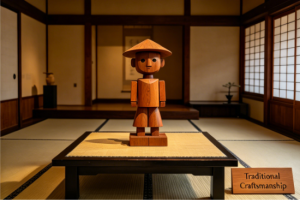
Wood (oak, walnut, linden, mahogany, ebony) is warmer and more organic. It can be carved, chiseled, or burned. Wood was the primary medium for medieval altarpieces and African masks. It accepts paint and gilding. However, wood is vulnerable to insects, rot, and fire. Sculptors often choose wood for its grain and texture, which become part of the work. Wood can symbolize life, growth, and mortality.
Metal (bronze, iron, steel, aluminum, silver, gold) offers strength, ductility, and the ability to hold fine detail. Bronze is the most common for cast sculpture; it can be patinated to various colors. Iron and steel are associated with industry and strength. Stainless steel is reflective and modern. Precious metals indicate status and sacredness. Metal can be cast, forged, welded, or fabricated from sheets.
Clay and Terracotta – Clay is a versatile, additive material. Fired clay (terracotta) is durable and has been used since ancient times for figurines, architectural decoration, and large sculptures (e.g., the Terracotta Army of China’s first emperor). Clay is often a preparatory medium for bronze casting.
Plaster – Cheap, easy to work, and quick to set. Plaster is used for molds, maquettes, and finished works (especially in the 19th century). It is fragile but can be painted.
Contemporary materials have expanded sculpture enormously. Plastics, fiberglass, and resin allow large, lightweight, colorful forms (e.g., Jeff Koons’ balloon animals). Concrete (reinforced) enables massive brutalist sculptures. Glass (cast, blown, fused) is used by artists like Dale Chihuly. Textiles (fabric, felt, thread) create soft sculptures (Louise Bourgeois’ spider is bronze, but she also used fabric). Found objects – Marcel Duchamp’s readymades (a urinal) and assemblages by Robert Rauschenberg blur art/life boundaries. Ice and snow melt; sand collapses – these ephemeral materials comment on transience.
Digital materials – 3D‑printed plastic, resin, or metal. Artists can design in virtual space and output physical objects with precision impossible by hand. This raises questions about authorship and uniqueness.
The material choice is never neutral. A bronze sculpture of a soldier feels different from a concrete one. A carved wooden figure conveys handcraft and tradition; a 3D‑printed nylon figure speaks to technology. Contemporary sculptors often mix materials, combining stone with LED lights or wood with video projection. The only limit is imagination