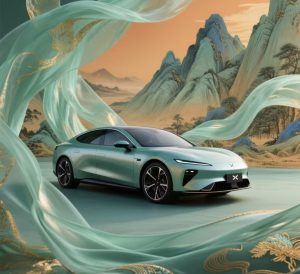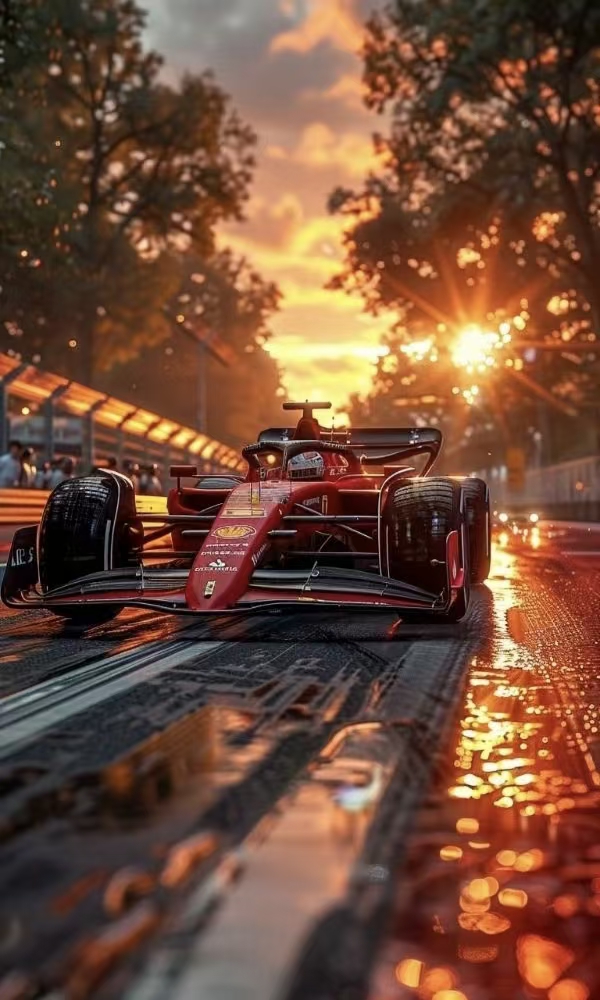
Car customization encompasses a wide range of modifications, divided into two main categories: cosmetic and performance. Cosmetic modifications focus on the appearance of the vehicle, including paint jobs, body kits, wheels, spoilers, and interior upgrades. For example, enthusiasts may choose to repaint their car in a unique color, install a body kit to give it a more aggressive look, or upgrade the interior with leather seats, custom steering wheels, and advanced infotainment systems. Performance modifications, on the other hand, focus on improving the vehicle’s speed, handling, and power, including engine upgrades, suspension modifications, and brake upgrades. For example, enthusiasts may install a turbocharger or supercharger to increase engine power, upgrade the suspension to improve handling, or install high-performance brakes to enhance stopping power. One of the main drivers of the growing popularity of car customization is social media. Platforms such as Instagram, TikTok, and YouTube have allowed enthusiasts to share their customized cars with a global audience, inspiring others to customize their own vehicles. Social media has also created a community of car enthusiasts, where people can share ideas, tips, and advice on customization. For example, car customization influencers on YouTube and TikTok often post videos of their modification processes, reviews of products, and showcases of their finished vehicles, reaching millions of viewers and influencing trends in the industry. Another factor driving the popularity of car customization is the desire for personalization. In a world where most cars come off the assembly line with standardized features, customization allows consumers to create a vehicle that is unique to them. This personalization not only reflects the owner’s personality and style but also creates an emotional connection between the owner and their car. For many enthusiasts, their customized car is more than just a mode of transportation—it is a hobby, a passion, and a way to express themselves. Car customization also has benefits for the automotive industry. For aftermarket parts manufacturers, customization is a multi-billion-dollar industry, producing a wide range of parts and accessories for enthusiasts. Additionally, car customization can extend the lifespan of a vehicle, as enthusiasts often invest in maintaining and upgrading their cars rather than replacing them. This can reduce the number of cars being scrapped, contributing to a more sustainable automotive industry. Furthermore, customization can increase the value of a vehicle, especially if the modifications are high-quality and popular among enthusiasts. There are several key trends in car customization today. One of the most popular trends is “stance culture,” which focuses on lowering the vehicle’s suspension to give it a more aggressive, low-to-the-ground look. This trend often includes installing custom wheels with negative offset and wide tires to enhance the vehicle’s appearance. Another popular trend is “restomod,” which involves restoring a classic car and upgrading it with modern performance and technology, such as a modern engine, advanced safety features, and a modern interior. Electric vehicle customization is also growing in popularity, with enthusiasts modifying EVs to improve performance, range, and appearance. However, car customization also faces several challenges. One of the main challenges is the cost. High-quality customization parts and labor can be expensive, making it difficult for some enthusiasts to afford. Additionally, some modifications can void the vehicle’s warranty, which can be a concern for owners of new cars. Another challenge is legal issues, as some modifications may violate local laws and regulations. For example, lowering a vehicle too much or installing excessively loud exhaust systems may be illegal in some areas, leading to fines or other penalties. Safety is another concern with car customization. Improperly installed modifications, such as suspension upgrades or brake modifications, can compromise the vehicle’s safety, increasing the risk of accidents. Enthusiasts must ensure that their modifications are installed by professionals and meet safety standards to avoid these risks. Additionally, some performance modifications can increase the vehicle’s speed and power, which can lead to reckless driving if not used responsibly. Looking to the future, car customization will continue to evolve, driven by advances in technology and changing consumer preferences. For example, 3D printing technology will allow enthusiasts to create custom parts more easily and affordably, while electric vehicle customization will grow as more EVs are adopted. Additionally, social media will continue to play a key role in shaping customization trends, as enthusiasts share their ideas and creations with a global audience. In conclusion, car customization is an integral part of modern automotive culture, allowing enthusiasts to personalize their vehicles and express their personality. While there are challenges to overcome, including cost, legal issues, and safety concerns, the benefits of car customization are significant for both enthusiasts and the automotive industry. As technology advances and consumer preferences change, car customization will continue to grow in popularity, shaping the future of the automotive market and creating a more diverse and personalized fleet of vehicles.