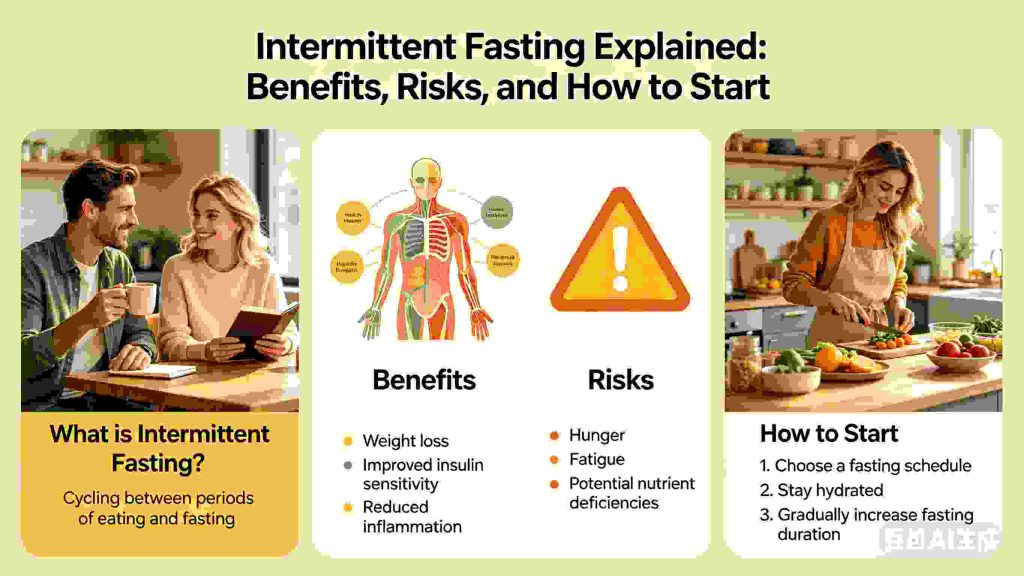
Intermittent fasting involves cycling between periods of eating and fasting. Common methods include the 16:8 approach, where individuals fast for 16 hours and eat within an 8-hour window, and the 5:2 method, which involves eating normally for five days and significantly reducing calorie intake on two non-consecutive days. These patterns are designed to give the body time to rest from constant digestion.
One of the main benefits of intermittent fasting is improved metabolic health. During fasting periods, insulin levels drop, allowing the body to access stored fat for energy more efficiently. This can lead to weight loss over time, particularly when combined with a balanced diet.
Another advantage is simplicity. Unlike traditional diets that require detailed meal planning, intermittent fasting reduces the number of meals, making it easier for some individuals to maintain. This simplicity can improve adherence and long-term success.
Intermittent fasting may also support cellular repair processes. During fasting, the body initiates mechanisms such as autophagy, which helps remove damaged cells and supports overall cellular health. This process is believed to contribute to longevity and disease prevention.
However, intermittent fasting is not suitable for everyone. Individuals with certain medical conditions, pregnant women, and those with a history of eating disorders should approach fasting with caution. It is important to consider individual health needs before adopting this approach.
Hunger and energy levels can be challenging during the initial adjustment period. Some individuals may experience fatigue, irritability, or difficulty concentrating. These symptoms often improve as the body adapts, but they can be discouraging for beginners.
Hydration and nutrient intake remain critical. Even during eating windows, consuming nutrient-dense foods is essential for maintaining energy and overall health. Fasting does not eliminate the need for a balanced diet.
Ultimately, intermittent fasting can be an effective tool when used appropriately. By understanding its benefits and limitations, individuals can decide whether it aligns with their health goals and lifestyle preferences.