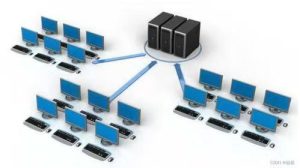
Edge computing is a distributed computing architecture that processes data locally, at or near the source (in this case, the autonomous vehicle), rather than sending it to a remote cloud server. For AVs, this means that critical data—such as sensor inputs (cameras, LiDAR, radar), navigation data, and environmental information—can be processed in real time, with latency as low as 1ms. This is essential for AVs, which require instant decision-making to avoid collisions, adapt to traffic conditions, and navigate complex environments. One of the most significant benefits of edge computing in AVs is reduced latency. Traditional cloud computing relies on sending data to distant servers, which can result in latency of 50ms or more—far too slow for AVs that need to react to sudden changes (such as a pedestrian stepping into the road) in milliseconds. Edge computing eliminates this delay by processing data on-board the vehicle or at nearby edge nodes, ensuring that decisions are made instantaneously. Another key benefit is improved reliability. Cloud connectivity can be unstable, especially in remote areas or during network outages. Edge computing allows AVs to operate independently of cloud connectivity, processing data locally even when there is no internet access. This ensures that AVs can continue to function safely, even in areas with poor network coverage. Edge computing also reduces bandwidth usage. AVs generate massive amounts of data—up to 40 terabytes per day—from their sensors. Sending all this data to the cloud would require enormous bandwidth, which is costly and impractical. Edge computing processes and filters data locally, sending only critical insights (such as potential hazards or maintenance needs) to the cloud, reducing bandwidth usage by up to 90%. In 2026, major automotive manufacturers and tech companies are integrating edge computing into their autonomous vehicle systems. For example, Tesla’s latest AV model uses on-board edge computing to process sensor data in real time, enabling features such as automatic emergency braking, lane-keeping assist, and adaptive cruise control. The system processes data from 8 cameras, 12 ultrasonic sensors, and a LiDAR unit locally, ensuring that the vehicle can react to its environment in milliseconds. Another example is Waymo, which uses a network of edge nodes along its test routes to complement on-board edge computing. These edge nodes process additional data (such as real-time traffic updates and road conditions) and send it to nearby AVs, enhancing their situational awareness. This has improved the safety and reliability of Waymo’s AV fleet, reducing the number of human interventions by 35%. Edge computing also enables advanced features in AVs, such as vehicle-to-everything (V2X) communication. V2X allows AVs to communicate with other vehicles, infrastructure (such as traffic lights and road signs), and pedestrians, sharing real-time data to improve safety and efficiency. Edge computing processes this V2X data locally, enabling instant communication without relying on cloud connectivity. Despite its benefits, edge computing in AVs faces several challenges. One of the biggest challenges is the limited computational power of on-board edge devices. AVs require powerful processors to process large amounts of data in real time, but these processors must be energy-efficient to avoid draining the vehicle’s battery. Manufacturers are developing specialized edge AI chips that balance computational power and energy efficiency, addressing this challenge. Another challenge is data security. Edge devices in AVs collect and process sensitive data (such as location data and sensor inputs), making them a target for cyberattacks. Manufacturers need to implement robust security measures, such as encryption and secure data storage, to protect this data. Additionally, edge nodes need to be secured to prevent unauthorized access and tampering. Integration with existing systems is also a challenge. Many AVs are built with traditional computing systems, and integrating edge computing requires updating hardware and software to support local data processing. This can be time-consuming and costly, slowing down adoption. Looking ahead, edge computing will continue to be a critical technology for autonomous vehicles, enabling safer, more reliable, and more efficient transportation. As edge computing technology advances, we can expect to see AVs with even faster decision-making capabilities, better situational awareness, and improved integration with V2X systems. For the automotive and computer industries, edge computing represents a key opportunity to accelerate the adoption of autonomous vehicles and transform the future of mobility.