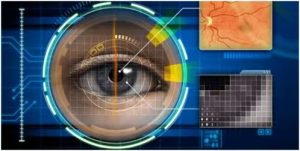
Computer vision uses cameras, sensors, and AI algorithms to analyze visual data— such as images and videos of crops, soil, and livestock— to extract meaningful insights. This technology can identify patterns, detect anomalies, and provide real-time feedback to farmers, enabling them to make data-driven decisions and optimize their farming operations. Unlike traditional farming methods, which rely on manual observation and experience, computer vision provides objective, accurate, and consistent data— reducing human error and improving efficiency. One of the most common applications of computer vision in agriculture is crop health monitoring. Farmers can use drones equipped with computer vision cameras to capture high-resolution images of their fields, which are then analyzed by AI algorithms to detect signs of stress, disease, or nutrient deficiency. For example, a computer vision system can identify yellowing leaves (a sign of nitrogen deficiency) or spots on leaves (a sign of fungal disease) before they are visible to the human eye. This allows farmers to apply fertilizers or pesticides only where they are needed, reducing waste and environmental impact. In 2026, a large-scale corn farm in the United States uses drone-based computer vision to monitor crop health across 10,000 acres. The system detects early signs of corn blight, a destructive fungal disease, and alerts the farmer to the affected areas. This has reduced pesticide use by 30% and increased corn yields by 15%— saving the farm thousands of dollars in costs while reducing environmental harm. Another key application of computer vision in agriculture is precision planting and harvesting. Computer vision systems can analyze soil conditions, crop density, and plant health to determine the optimal planting depth, spacing, and timing. During harvesting, computer vision can identify ripe crops and guide automated harvesters to pick only the mature produce— reducing waste and improving the quality of the harvest. For example, a strawberry farm in Spain uses computer vision-equipped harvesters to identify and pick only ripe strawberries, reducing waste by 25% and improving the quality of the final product. Computer vision is also used for livestock monitoring. Farmers can use cameras and computer vision algorithms to monitor the health, behavior, and productivity of their livestock. For example, a dairy farm uses computer vision to track the eating habits, movement, and milk production of its cows. The system can detect signs of illness (such as reduced eating or lethargy) and alert the farmer, allowing for early intervention and reducing the risk of disease spread. This has improved the health of the herd and increased milk production by 10%. Soil analysis is another important application of computer vision in agriculture. Computer vision systems can analyze images of soil to determine its texture, moisture content, and nutrient levels— providing farmers with insights into soil health and helping them make informed decisions about fertilization and irrigation. For example, a small vegetable farm in India uses a mobile app with computer vision to analyze soil images taken with a smartphone, providing recommendations for fertilizer application and irrigation scheduling. This has improved soil health and increased vegetable yields by 20%. The adoption of computer vision in agriculture is driven by several key factors. First, the need to increase food production to feed a growing global population— expected to reach 10 billion by 2050— has forced farmers to adopt more efficient and productive farming methods. Computer vision enables farmers to optimize their operations, increase yields, and reduce waste, helping to meet this growing demand. Second, labor shortages in agriculture have made it difficult for farmers to perform manual tasks such as crop monitoring and harvesting. Computer vision and automated systems can replace manual labor, reducing the need for farm workers and improving efficiency. Third, the growing focus on sustainable agriculture has led farmers to adopt practices that reduce environmental impact. Computer vision enables precision agriculture— applying resources such as water, fertilizers, and pesticides only where they are needed— reducing waste and minimizing environmental harm. Despite its benefits, computer vision in agriculture faces several challenges. One of the biggest challenges is the cost of equipment and technology. Drones, cameras, and AI software can be expensive, making them inaccessible to small family farms in developing countries. However, the development of low-cost, portable computer vision solutions— such as mobile apps that use smartphone cameras— is making the technology more accessible. Another challenge is the need for reliable internet connectivity. Many farms are located in remote areas with limited or no internet access, making it difficult to transmit and analyze visual data in real time. To address this, some computer vision systems are designed to process data locally, on the device, eliminating the need for internet connectivity. Technical expertise is also a barrier. Farmers often lack the technical knowledge to set up and use computer vision systems, requiring training and support. Organizations and governments are working to provide training programs and resources to help farmers adopt the technology. Looking ahead, computer vision will continue to transform agriculture, becoming an integral part of modern farming practices. As technology advances, computer vision systems will become more accurate, affordable, and accessible, enabling farmers of all sizes to improve their operations, increase yields, and adopt more sustainable practices. For the agriculture industry, computer vision is not just a tool— it is a key to addressing the challenges of food security, climate change, and labor shortages in the 21st century.