Lord Henry Wotton: The Devil’s Advocate Lord Henry is the novel’s most dangerous character. He is witty, charming, and cynical. He believes that the only purpose of life is pleasure. He tells Dorian, “The only way to get rid of a temptation is to yield to it.” He is not evil. He is amoral. He does not care about consequences. He corrupts Dorian without intending to. He is just talking. Dorian listens. Lord Henry represents the aesthetic movement: art for art’s sake, beauty without morality. Wilde was a leader of that movement. He knew its dangers.
Basil Hallward: The Artist Who Loves Too Much Basil is the painter of the portrait. He loves Dorian. His love is pure. He sees Dorian as an ideal. He refuses to exhibit the portrait because he has put too much of himself into it. He warns Dorian about Lord Henry. Dorian ignores him. Basil discovers the secret of the portrait. He begs Dorian to repent. Dorian kills him. Basil is the novel’s conscience. He dies for it.
Dorian Gray: The Beautiful Monster Dorian is not a villain. He is a victim. He is corrupted by Lord Henry. He becomes cruel. He seduces an actress, Sibyl Vane, then abandons her. She kills herself. He feels nothing. He blackmails a chemist. He murders Basil. He visits opium dens. He destroys everyone who loves him. His face remains young. His portrait rots. At the end of the novel, he tries to destroy the portrait. He kills himself. The portrait returns to its original beauty. Dorian’s corpse is old and hideous. He has become his portrait.
Sibyl Vane: The Actress Who Could Not Pretend Sibyl is a young actress who plays Shakespeare’s heroines. She falls in love with Dorian. She calls him “Prince Charming.” She performs badly because she no longer needs to pretend. She has found real love. Dorian rejects her. He loved her acting, not her. She kills herself. Sibyl is the novel’s innocent. She is destroyed by Dorian’s selfishness.
The Portrait: The Visible Soul The portrait is the novel’s central symbol. It ages. It grows cruel. It grows old. It grows bloody. It reflects Dorian’s soul. Dorian hides it in the attic. He cannot hide his guilt. The portrait is a Gothic device. It is also a psychological one. Wilde is showing that the soul cannot be hidden. It will appear. It will judge.
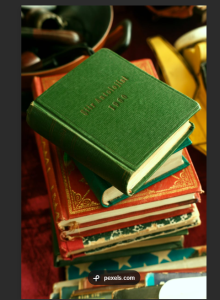
The Yellow Book: The Poison of Art Lord Henry gives Dorian a yellow book. It is a novel about a Frenchman who seeks all sensations. The book poisons Dorian. He models his life on it. Wilde is alluding to Joris-Karl Huysmans’s “À rebours” (Against Nature), a key decadent novel. The yellow book represents the danger of art. Art can corrupt. It can seduce. It can destroy.
The Ending: The Moral The novel has a moral. Dorian is punished. He dies horribly. Basil is dead. Sibyl is dead. Dorian is dead. Lord Henry lives. He feels nothing. The moral is ambiguous. Wilde was put on trial. He was convicted. He was imprisoned. He died in exile. He knew that society punishes those who break its rules. He wrote the novel to show that the rules exist for a reason. He also wrote it to show that breaking them is tempting. “The Picture of Dorian Gray” is a warning. It is also an invitation.
Conclusion: “The Picture of Dorian Gray” is a novel about beauty. It is also a novel about ugliness. Dorian is beautiful. His soul is ugly. The portrait is ugly. The truth is ugly. Wilde believed that art should be beautiful. Life should be beautiful. He failed. He was destroyed by a society that hated beauty. The novel is his revenge.