First, let’s explain why luxury resale in the U.S. is such a profitable opportunity. Americans have one of the highest luxury consumption rates in the world, with nearly a third of their wardrobes consisting of secondhand items—and luxury handbags alone make up 66% of the U.S. pre-owned luxury market, which is much higher than Europe’s 39%[2]. The most important first step in luxury resale is sourcing authentic, high-value items—authenticity is the backbone of this industry, and selling counterfeits will ruin your reputation. Start with your own closet: focus on gently used pieces from top brands (Hermès, Louis Vuitton, Gucci, Chanel, Rolex) with no major damage, and keep their original tags, dust bags, and receipts (these can increase the item’s value by 20–30%). Next, expand to local sources: high-end thrift stores (like ThredUp’s physical locations), estate sales, and consignment shops often have hidden gems at low prices. For online sourcing, browse Facebook Marketplace, Craigslist, or even Poshmark for sellers who don’t know the true value of their items—keep an eye out for underpriced pieces from reputable brands.
Once you have your items, authenticate and prepare them for resale to maximize profits. Authentication is a must: U.S. buyers are extremely careful about fakes, so invest in professional authentication services (options like Authenticate First or platform-specific verification cost $10–$50 per item). Many top resale platforms require authentication, with some employing experts who have evaluated over 5,000 authentic pieces to ensure accuracy.
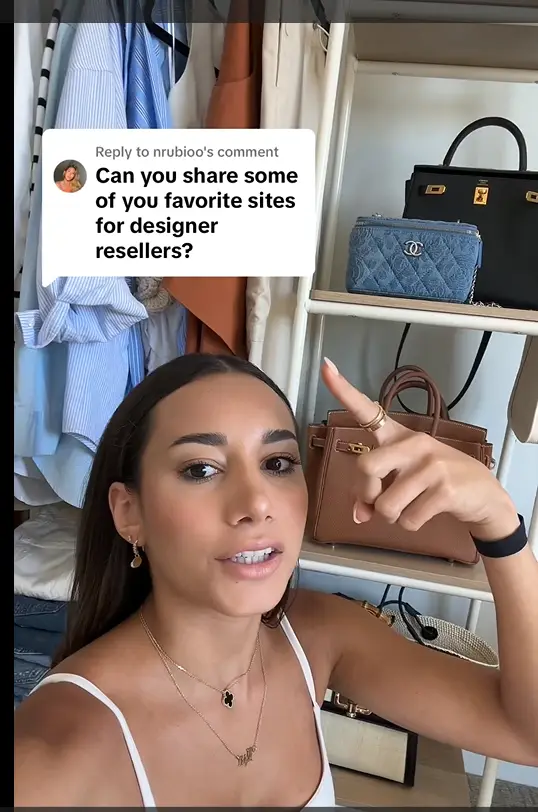
Choosing the right resale platform is key—the U.S. has specialized platforms for luxury goods that boost sales and build trust. For high-end handbags, watches, and jewelry, turn to The RealReal or Vestiaire Collective—these platforms handle authentication, marketing, and customer service, making them ideal for beginners. The RealReal charges a 20–40% commission but offers wide reach, while Vestiaire Collective caters to international buyers, perfect for rare pieces.
Pricing your luxury items correctly is essential for quick sales and maximum profit. Research similar items on your chosen platform—look at sold listings, not just active ones, to get a clear idea of the real market value. Consider factors like the item’s condition, age, completeness (including original accessories), and brand demand. For example, a gently used Louis Vuitton Neverfull with all original packaging will sell for more than one without dust bags or receipts. Avoid overpricing, as this will leave your inventory unsold, and don’t underprice—you’ll lose out on potential earnings. A reliable rule of thumb is to price items at 30–70% of their retail value, depending on condition and demand.
To boost your profits, follow these expert tips: Focus on high-demand brands and styles—Hermès, Goyard, and Rolex hold their value best, while classic designs (like the Chanel 2.55) never go out of style[2]. Keep items in good condition: clean handbags with leather cleaners, polish watches, and steam designer clothing to make them look as close to new as possible. Take high-quality photos: use natural light, capture details like logos, serial numbers, and any minor wear, and write detailed descriptions (including brand, style, size, condition, and included accessories) to build trust with buyers. Provide excellent customer service—respond quickly to questions, ship items securely and promptly, and accept reasonable returns (a common expectation among luxury resale buyers).
A common myth is that you need to sell “perfect” luxury items—but even slightly worn pieces will sell, as long as they’re authentic and clean. The key to success is consistency: source items regularly, authenticate every piece, and deliver great customer service. Many beginners in the U.S. start earning $500–$1,000 per month with just a few hours of work each week, and some turn it into a full-time income by focusing on high-value items.
Luxury resale in the U.S. is more than just a side hustle—it’s a way to make money, declutter your space, and tap into a booming industry. With low startup costs, flexible hours, and a large market of buyers, it’s perfect for anyone looking to earn extra income. Follow this guide, prioritize authenticity, and you’ll be turning forgotten luxury items into profit before you know it. The best part? You’ll be helping U.S. consumers own their dream luxury pieces while making money—it’s a win-win for everyone.