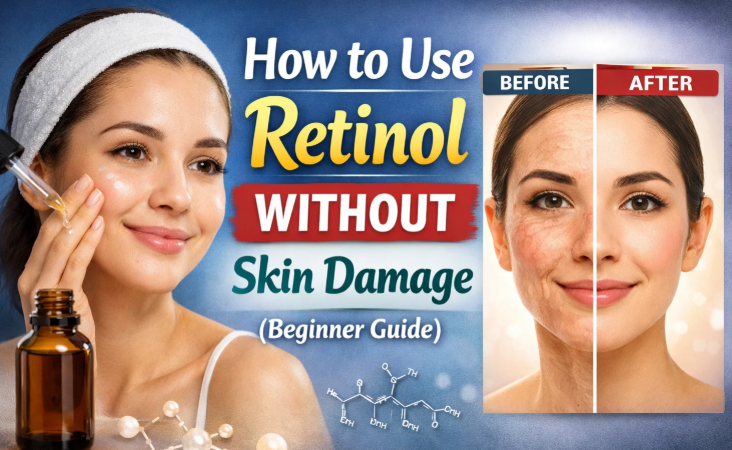
Why Sandwich Method Prevents Flaking The sandwich method involves applying moisturizer before and after retinol to buffer its effects. This technique significantly reduces irritation without blocking retinol entirely. First, a lightweight, fragrance-free moisturizer goes onto damp skin. Waiting 10 to 15 minutes allows the moisturizer to absorb and creates a protective layer. Then a pea-sized amount of retinol spreads evenly across the face, avoiding the eye area and lips. After another 10 minutes, a second layer of moisturizer seals everything. Clinical studies show that buffering reduces transepidermal water loss and inflammation markers compared to applying retinol to bare skin. The sandwich method does not make retinol useless. It simply slows down absorption, which is beneficial for beginners. Results take longer to appear, often 12 weeks instead of 8, but the skin stays comfortable throughout. Signs that the sandwich method is working include mild tingling without burning or peeling. If the skin still feels raw, reducing retinol frequency to once weekly helps more than changing the technique. No method eliminates all risk of reaction, but the sandwich method makes retinol accessible for sensitive skin types who otherwise could not use it.
Starting Strength and Frequency That Work Retinol comes in concentrations from 0.1% to 1% over-the-counter. Starting at the lowest strength, 0.1% or 0.2%, gives the skin time to build tolerance. Using retinol every third night for the first two weeks prevents cumulative irritation. After two weeks without redness or peeling, moving to every other night for two more weeks works well. At week five, nightly use becomes possible for most skin types. Jumping straight to nightly 1% retinol causes almost guaranteed flaking, redness, and the dreaded retinol purge. Higher strength does not mean better results. Studies show that 0.025% retinol used consistently for six months produces similar long-term anti-aging benefits as 0.1% with fewer side effects. The key is consistency, not intensity. Taking breaks from retinol for one night each week continues to maintain results while giving the skin a rest. No retinol product reverses deep wrinkles or severe acne overnight. Expecting fast results leads to overuse and damage. For those who try 0.1% retinol twice weekly and still experience burning, over-the-counter retinyl palmitate or bakuchiol offer gentler alternatives with modest benefits.
Signs to Stop Retinol Immediately Not all retinol reactions are normal. Mild tingling, slight dryness, and minimal peeling that resolves within three days are expected. However, certain signs mean stopping retinol immediately. Severe burning that lasts more than 30 minutes after application indicates a damaged barrier. Bright red, swollen, or oozing skin signals an allergic reaction or chemical burn. Peeling that reveals raw, shiny skin underneath means over-exfoliation. Worsening acne that persists beyond six weeks may be irritation masquerading as a purge. True retinol purge involves small whiteheads in areas where breakouts normally occur, lasting two to four weeks. If large, painful cysts appear in new areas, that is irritation, not purging. Stopping retinol for one to two weeks allows the skin to heal. During this break, using only a gentle cleanser and moisturizer supports recovery. After healing, restarting at a lower concentration or using the sandwich method prevents recurrence. No retinol product is worth permanent damage. Some skin types never tolerate retinol, and that is acceptable. Bakuchiol or peptides provide safer alternatives without the same irritation risk.